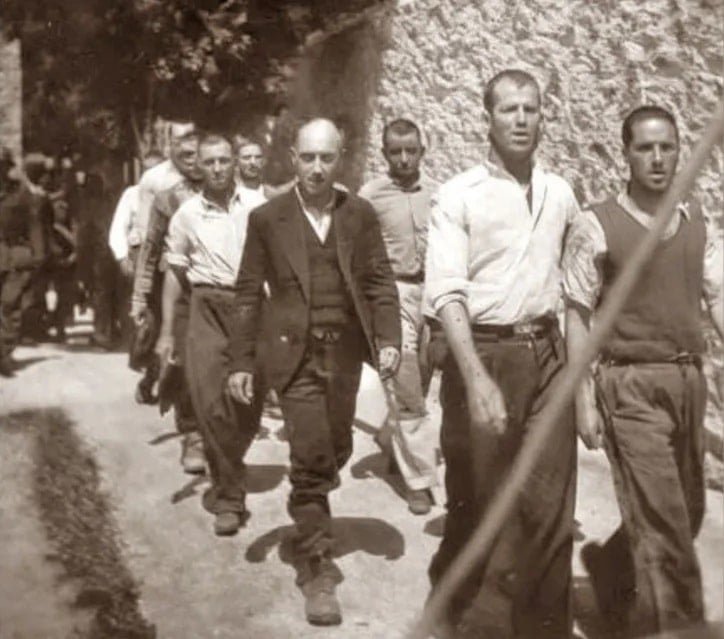
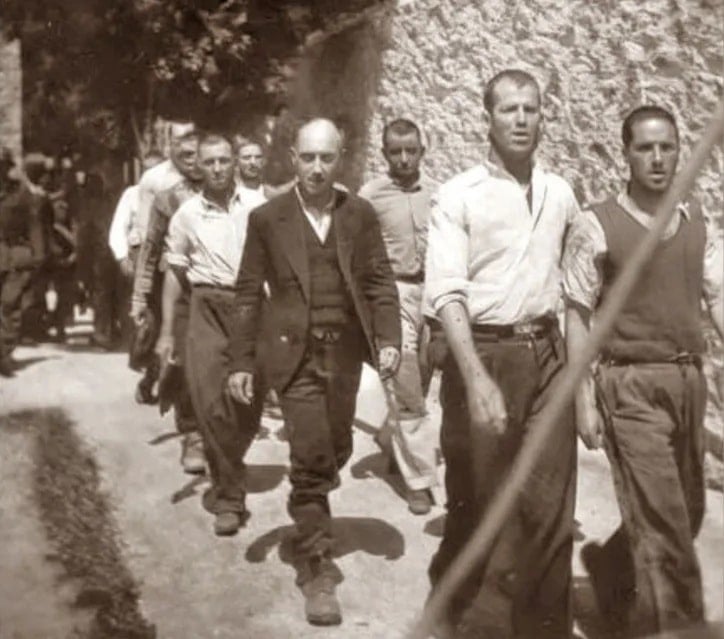
Greece’s Ministry of Culture has launched an urgent mission to Belgium to secure twelve original photos depicting the final moments of the 200 Greek patriots executed by Nazi forces at the Kaisariani Shooting Range on May 1, 1944.
The photographs, reportedly from the private album of a German officer during the Occupation, surfaced on eBay on Saturday, February 14. The discovery sparked immediate national mobilization and public indignation over the commercialization of a tragic historical milestone.
Greece is in a race for the repatriation of execution photos
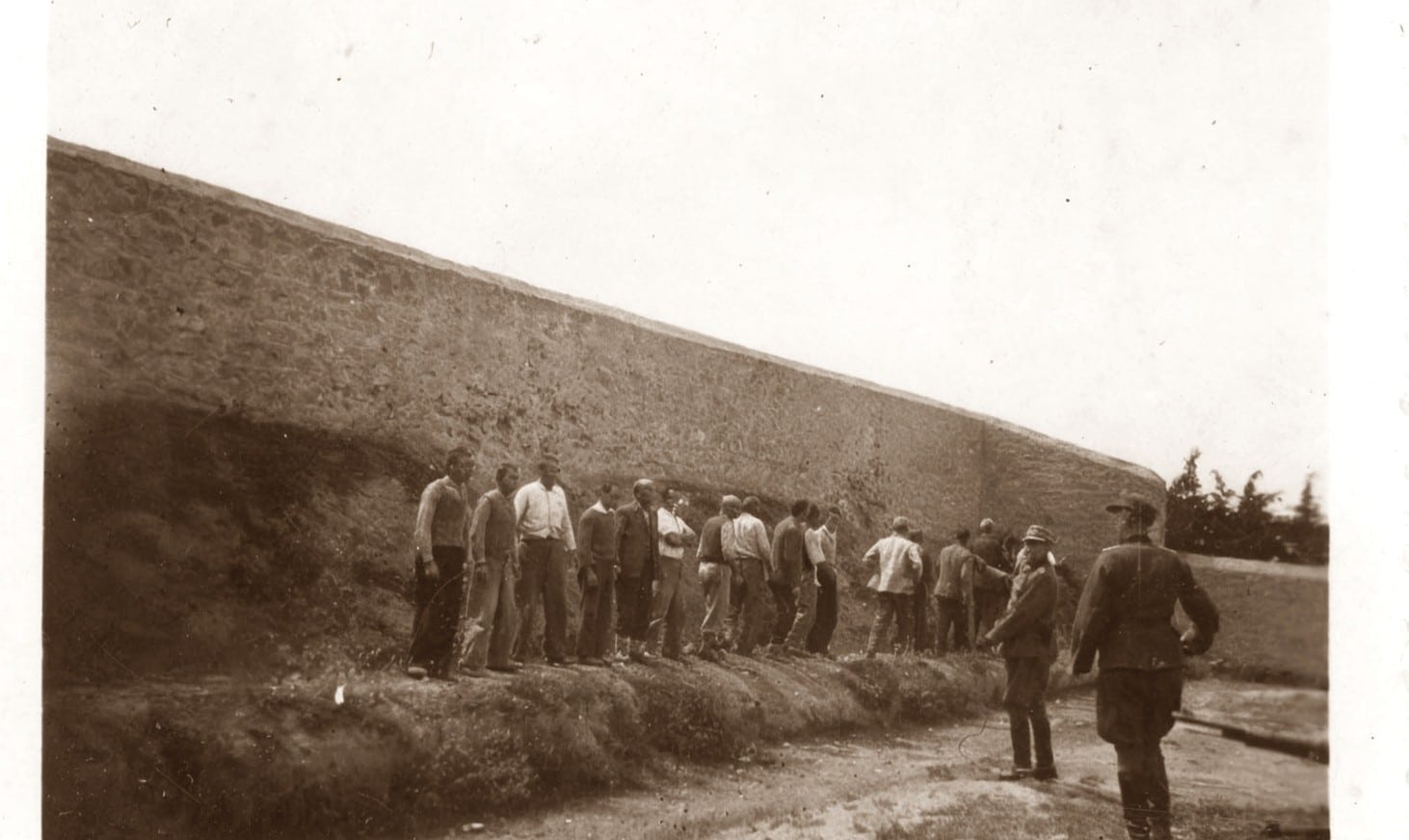
Following the public outcry, the Belgian collector withdrew the items from the auction. The Greek state is now moving to ensure these documents become public property:
- Authentication: Ministry experts are traveling to Ghent, Belgium, to verify the photos’ authenticity and legal provenance.
- Legal Status: The Central Council of Modern Monuments is set to designate the collection as a “National Monument” to strengthen the legal claim for their return.
- The Future: Once acquired, the Ministry of Culture and Parliament President Nikitas Kaklamanis have agreed that the photos will be housed in the Hellenic Parliament.
A face to the names: The first identifications
While the government handles the legalities, the Communist Party of Greece (KKE) and local researchers have already begun the emotional task of identification. Two men have been tentatively identified in the haunting images:
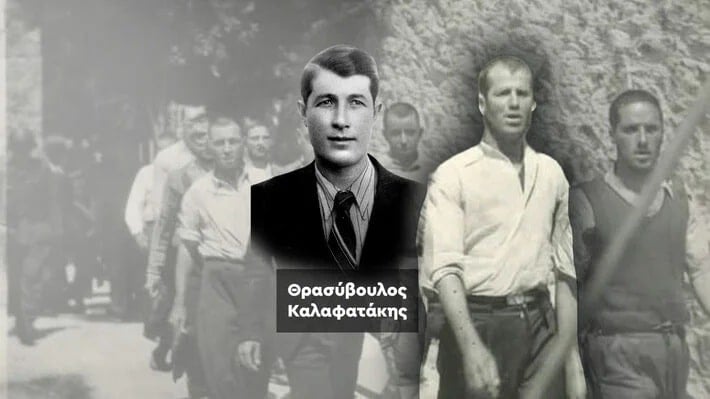
Thrasyvoulos Kalafatakis
One of the most striking figures in the photos—a tall, robust man in a white shirt—has been identified as 30-year-old Thrasyvoulos Kalafatakis.
Born in Crete in 1914, he was a dedicated political activist who refused to sign a renunciation of his beliefs despite years of imprisonment and torture under the Metaxas dictatorship and later the Axis occupiers.
His grandson, Thrasyvoulos Marakis, confirmed the identity after showing the photo to a 90-year-old witness. “He was a giant of a man,” Marakis told iefimerida. “You can see him in the photo… tall, lean, and without a trace of fear as he walks toward the wall.”
Dimitris Papadopoulos
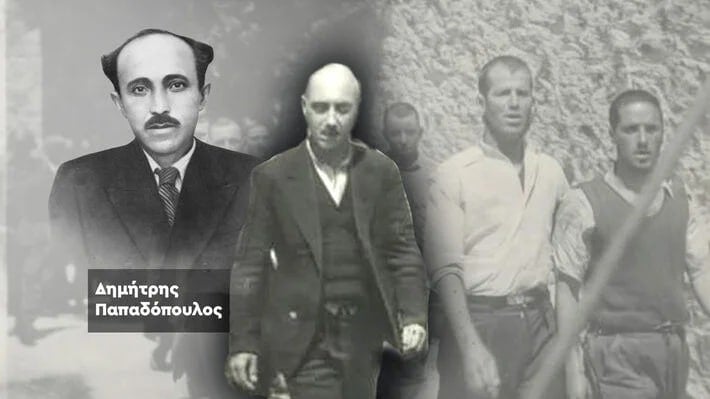
The second man identified is Dimitris Papadopoulos, a prominent labor leader of the Builders’ Federation. A refugee from Pontus who arrived in Greece in the 1920s, he spent much of his life fighting for workers’ rights before being handed over by the Greek dictatorship to the Germans and eventually executed at Kaisariani.
The ethics of war memorabilia
The incident has reignited a fierce debate regarding the commercialization of the Holocaust and Nazi atrocities. Officials noted that international guidelines and platform policies often prohibit the trade of war crimes documentation.
The Ministry’s swift intervention aims to take these “evidence of sacrifice” off the private market and place them in the public record where they belong.
Related: The 200 Greeks Executed by Nazis on May Day