The owner of the “Violanta” cookie factory in Trikala, central Greece, has been arrested after prosecutors upgraded charges against him to a felony following a deadly explosion that killed five workers, authorities said. He remains in custody and is due to appear before a prosecutor on Tuesday.
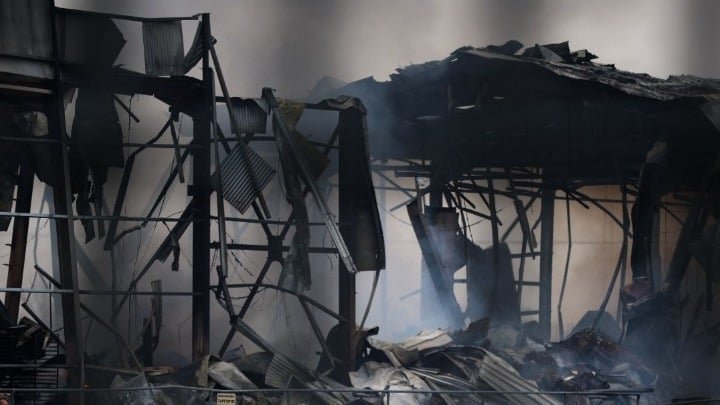
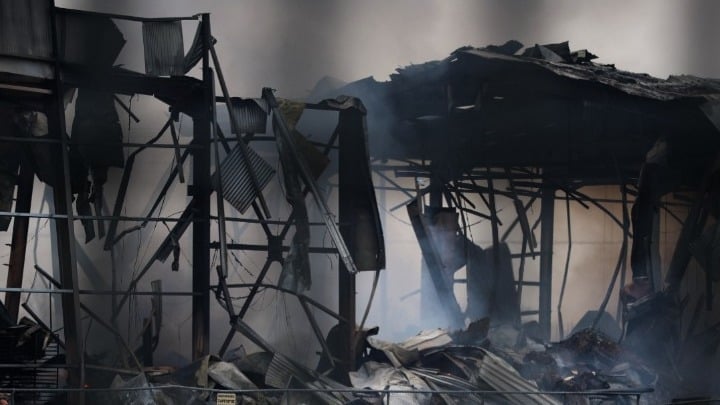
The blast tore through the factory early Monday, Jan. 26, during the night shift, killing five female employees and triggering a fire that destroyed the facility. Two technicians were also detained as part of the investigation.
According to Greece’s Arson Crimes Directorate, known by its Greek acronym DAEE, investigators concluded that a propane leak in the building’s basement ignited, causing an explosion equivalent to roughly 185 kilograms of dynamite. Prosecutors revised the initial negligence charges to a felony that could imply intent, following what officials described as new evidence gathered during an unannounced inspection by the fire service.
The supplementary case file cites testimony from workers and expert assessments indicating that a strong odor of leaking propane had been reported as early as June. Despite warnings and a technician’s visit, the issue allegedly remained unresolved, reportedly due to financial disagreements with the property owner, according to state broadcaster ERT. Investigators said a corroded pipe had been placed directly on the basement floor in violation of safety regulations.
Authorities are also examining potential lapses in safety compliance and oversight. Investigators reported discrepancies in topographical plans submitted for the facility and alleged that two above-ground propane tanks were positioned closer to the property boundaries than permitted. Photographs from the site show gas detectors that were not connected to the electrical system, with wiring painted onto walls to appear operational, and piping joined with non-approved fittings, according to officials. The site remains sealed as forensic teams continue their work.
Speaking to ERT, the state-owned public tv, retired Hellenic Fire Service lieutenant general and chemistry professor Michalis Chalaris described the incident as a “case study” in industrial safety failures, arguing that weak enforcement mechanisms allow critical safety standards to go unchecked and leave compliance largely to the discretion of facility owners.