A new study in Greece has revealed that vulnerability to health-related fake news is directly linked to harmful lifestyle choices and increased vaccine hesitancy.
Recently published in the journal Healthcare, the study analyzed an online sample of 402 adults in Greece. Researchers utilized specialized scales to measure susceptibility to health misinformation, general health behaviors, and attitudes toward vaccination.
Core findings: The real-world impact of beliefs
The data indicate that individuals who are more vulnerable to misinformation exhibit several concerning traits:
- Poorer Dietary Habits: Those susceptible to “fake news” tend to make significantly worse nutritional choices than their peers.
- Elevated Stress and Anger: Misinformation is not just a cognitive issue; it is linked to increased psychological distress, specifically higher levels of anxiety and hostility.
- Erosion of Trust: There is a marked decline in trust toward official scientific and healthcare institutions.
- Skewed Risk Perception: Participants often overestimated non-scientific risks while ignoring evidence-based health threats.
Using multiple linear regression analysis, the researchers confirmed a statistically significant relationship between misinformation and these behaviors, demonstrating that these links are not coincidental.
The vaccination connection
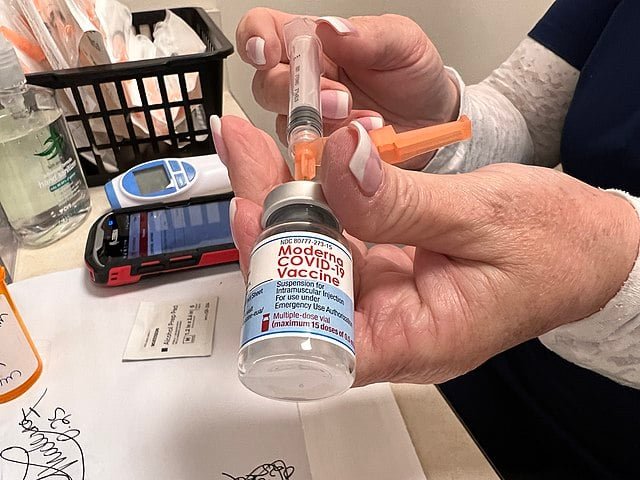
The study also highlights a critical correlation: high susceptibility to false information is a primary driver of lower vaccine confidence. This hesitancy poses a direct threat to public health efforts and the achievement of collective immunity.
The findings underscore that health misinformation is more than just “wrong info”—it has measurable, detrimental effects on citizen behavior, from nutrition to mental health and vaccination status. Consequently, enhancing health literacy and critical thinking is essential for the Greek public to navigate the digital landscape safely.
Related: Vaccine for Cancer ‘Could be Ready by 2030’