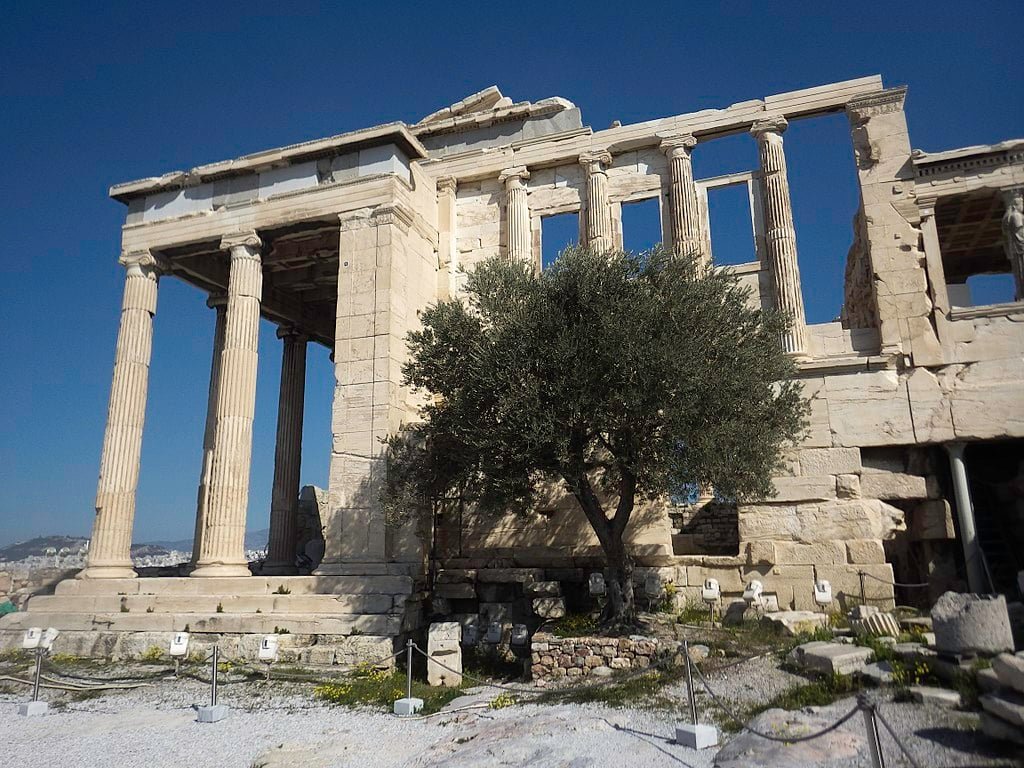
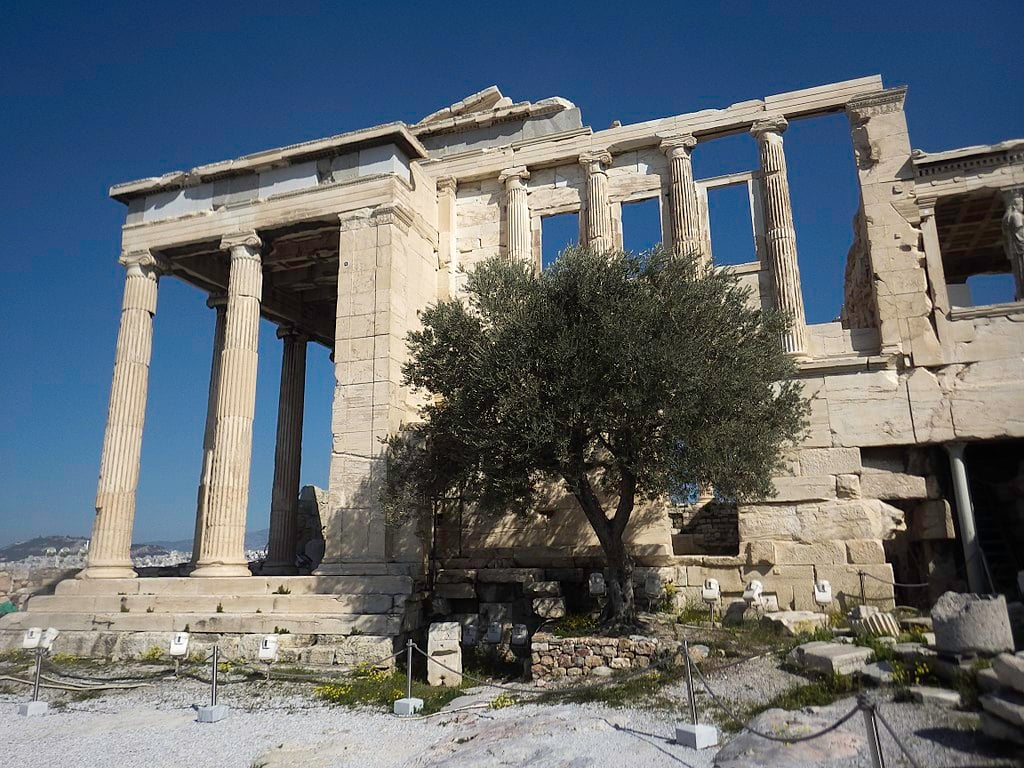
The olive tree in ancient Athens was safeguarded by strict laws, highlighting its role as a sentinel of Athenian prosperity and identity.
In the 6th century BC, the revered legislator Solon, credited with laying the foundations of Athenian democracy, enacted statutes specifically designed to protect these vital trees. He recognized that the future of Athens was inextricably linked to the health and abundance of its olive groves.
Among Solon’s pivotal agricultural reforms was a remarkable decree limiting the felling of olive trees: no more than two trees could be cut down per year in any single olive grove. This groundbreaking measure, documented by historians like Plutarch in his Life of Solon, highlights an early understanding of sustainable agriculture. It was a clear legislative step to prevent over-harvesting and ensure the continuity of a resource deemed invaluable.
Furthermore, Solon’s foresight extended to the very act of planting. While the exact “9 feet” distance for nurseries has been debated in modern scholarship, ancient sources, notably Plutarch, confirm regulations regarding planting distances to prevent root systems from interfering with neighboring trees.
Plutarch stated: “No one could set out a tree in a field within five feet of his neighbor’s field, or, in case it was a fig-tree or an olive-tree, within nine.” This demonstrates a sophisticated approach to land management, safeguarding individual groves and maximizing their yield.
Athenians, from the highest-ranking citizen to the humblest farmer, understood the immense value of the olive tree. It stood at the heart of their mythological identity. In the famous contest for the city’s patronage between the goddess Athena herself and Poseidon, Athena’s gift of the olive tree—symbolizing nourishment, peace, and prosperity—won the people’s favor, making her the city’s divine protector.
The olive tree and its product: The “liquid gold”
The fruit of the olive tree, transformed into “liquid gold,” as Homer famously called it, permeated every aspect of Athenian existence.
Olive oil was Athens’ primary agricultural export, generating significant wealth and facilitating trade across the Mediterranean. The city’s reputation for high-quality oil was such that Solon’s laws restricted the export of other agricultural products, solidifying olive oil’s unique status as a premium commodity.
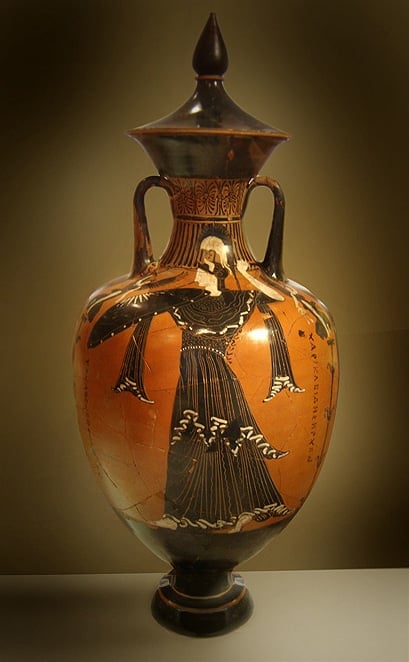
The most tangible symbol of Athens’ economic might was the magnificent Panathenaic amphorae, brimming with sacred olive oil from Attica and awarded as the ultimate prize to winners of the Panathenaic Games. These prizes represented a substantial fortune, cementing olive oil’s status as a precious, coveted good.
Beyond food, olive oil-fueled lamps illuminated homes and public spaces. It was an essential component of ancient hygiene and beauty routines. Athletes would anoint themselves with oil before exercise and then scrape it off with a strigil, a practice that cleansed and moisturized the skin.
Revered figures such as Hippocrates, the “father of medicine,” lauded olive oil as “the great healer,” recognizing its therapeutic properties—a testament to its purity and beneficial qualities even in ancient times.
The Hippocratic Corpus reportedly contains over 60 different medicinal uses for olive oil, which was widely prescribed for various skin conditions, wounds, ulcers, and burns. Athletes used it to maintain muscle flexibility and prevent injuries, applying it before and after training.
For example, in Diet and Therapeutics, Hippocrates wrote:
“Exercises with dust and exercises with oil differ in that the dust is cold, the oil is hot. In winter, the oil is more conducive to growth because it prevents the cold from leaving the body. In summer, the oil melts the flesh, as it heats up due to the season…Rubbing with oil and water softens the body and prevents it from overheating.”
While Hippocrates never explicitly stated that “olive oil is medicine,” his holistic view of food and health is famously encapsulated in his enduring aphorism: “Let food be thy medicine and medicine be thy food.”
The olive tree itself was a potent symbol of peace, wisdom, and victory. An olive branch signified peace and supplication, while olive wreaths (kotinos) were the highest honor bestowed upon Olympic champions. The sacred “moriai,” specific olive trees considered state property and religiously protected, were living testaments to Athena’s gift, and harming them was punishable by death. The tree frequently adorned Athenian coinage and art, inextricably linking it to the city’s identity.
The legacy of the quality of Athenian olive oil
Ancient writers such as Pliny the Elder and Galen consistently praised the high quality of Athenian olive oil. This reputation was no accident; it stemmed from careful cultivation and production methods.
Historical texts indicate that the finest oil came from the first pressing of still-green olives, a practice closely aligned with modern extra virgin standards. This early pressing produced oil with lower acidity and a richer, more vibrant flavor. Without sophisticated refining techniques, Athenian oil was inherently pure, retaining its natural aromas, nutrients, and therapeutic qualities.
In essence, the olive tree was the verdant heart of ancient Athens. Solon’s protective laws were not merely agricultural regulations; they were a profound cultural acknowledgment of a tree that nourished bodies, fueled the economy, shaped identity, and sustained the spirit of the city.
Related: Why Greek Olive Oil is the Best in the World