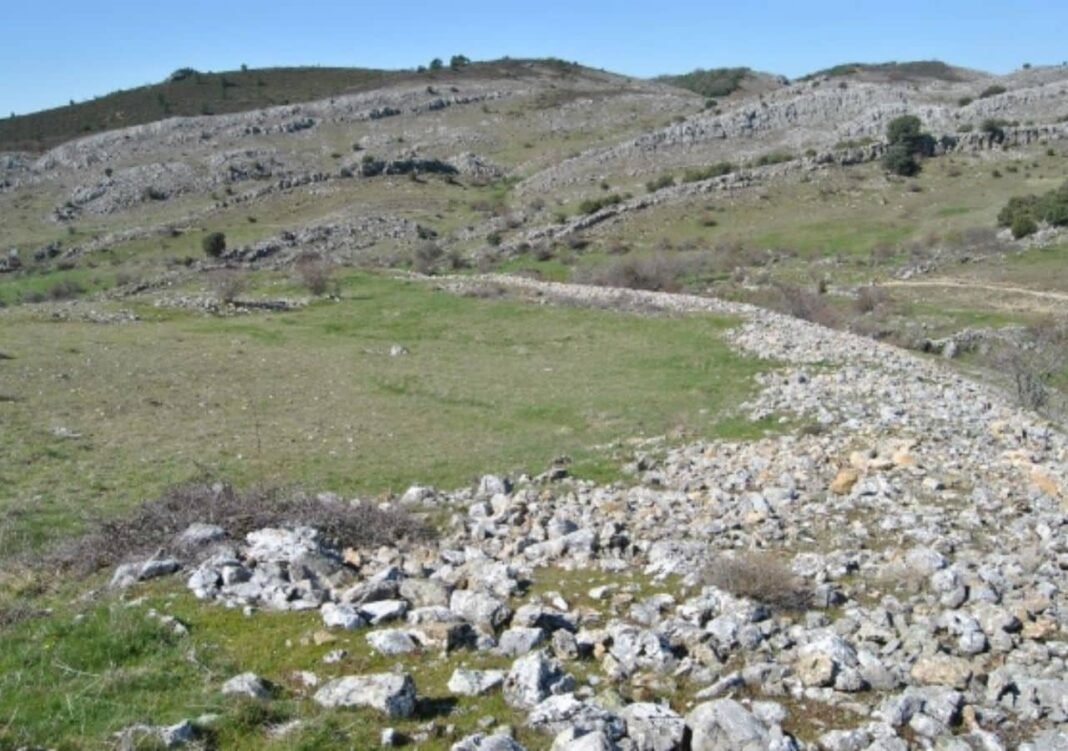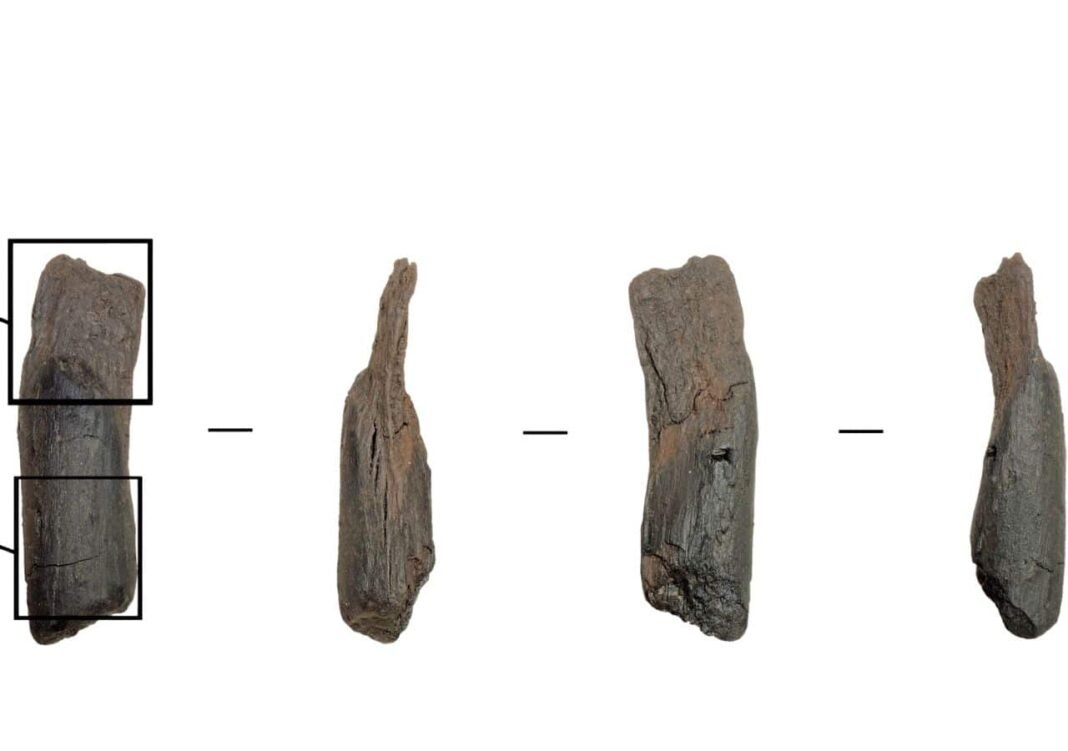
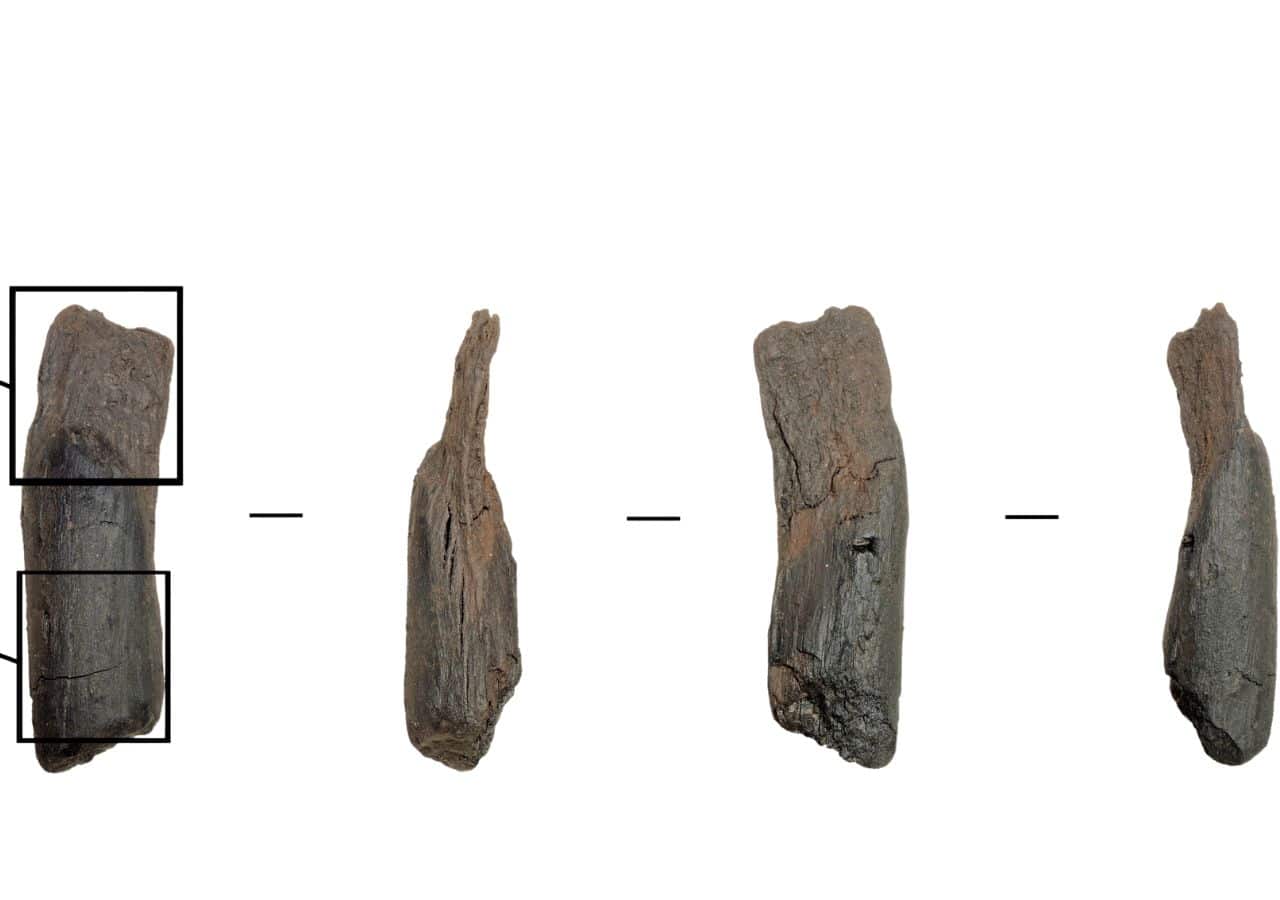
A team of archaeologists in southern Greece has uncovered the world’s oldest known wooden tools, dating back approximately 430,000 years. The discovery was made at Marathousa 1, a site in the Megalopolis Basin of the central Peloponnese.
Researchers say the tools, found in waterlogged layers near an ancient lakeshore, mark a major breakthrough in understanding how early humans used wooden implements alongside stone and bone tools.
Until now, handheld wooden tools of this age had not been found. Similar objects discovered in Africa, Europe and Asia were all younger. A wooden structure at Kalambo Falls in Zambia is older, dated to around 476,000 years, but researchers believe that find represents a built feature rather than a tool.
The wooden artifacts from Greece now push back the timeline for shaped wooden tools by at least 40,000 years and provide the earliest such evidence from southeastern Europe.
Rare preservation reveals human and animal activity
Excavations at the site revealed more than just wooden tools. Stone flakes, bones with cut marks and the remains of a straight-tusked elephant were also unearthed.
Archaeologists expressed that these signs point to repeated visits by early humans who processed large animal carcasses near the water. Low-oxygen conditions in the soil helped preserve wooden fragments that would have normally decayed.
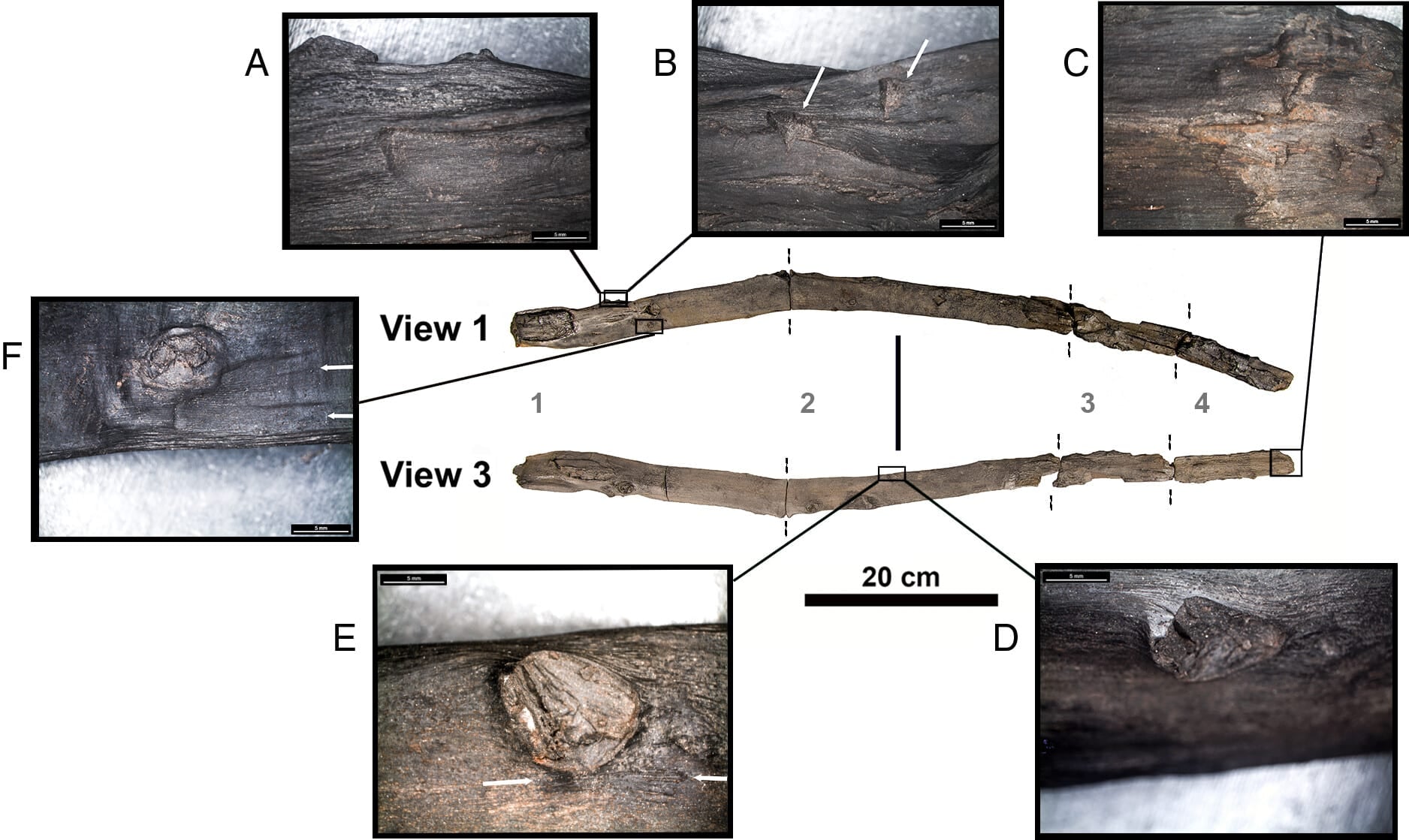
Researchers studied dozens of wood pieces under microscopes. They examined markings, internal structure and tree species to determine whether the fragments had been modified by humans or damaged by natural causes like roots or animal activity. Two pieces showed clear signs of shaping and use.
Ancient wooden tools in Greece shed light on early innovation
One of the tools, made from alder wood, bore cut marks from stone tools and rounded surfaces caused by contact with soil. Its shape and wear patterns suggest it was used as a digging stick, likely to loosen wet ground or extract plant-based foods.
Another smaller fragment, likely from willow or poplar, had carved edges and smoothing from repeated handling. Its size and form indicate it was held between fingers and used for fine tasks, such as adjusting stone flakes during tool production.
A third alder fragment, although not a tool, drew attention for a different reason. It featured deep, parallel grooves and crushed fibers. Microscopic analysis linked these marks to claw damage, likely caused by a large carnivore such as a bear.
The presence of predator activity near the same spot where humans worked suggests both groups may have competed for access to animal remains.
Researchers said the choice of wood species reflects familiarity with local trees that grow in wet environments. The find shows that early humans had a strong grasp of available natural resources and used a variety of techniques during the Middle Pleistocene.