Archaeologists working in northern Spain have uncovered what they describe as an exceptional late Iron Age religious complex, shedding rare light on ritual life in the centuries before Roman rule on the Iberian Peninsula.
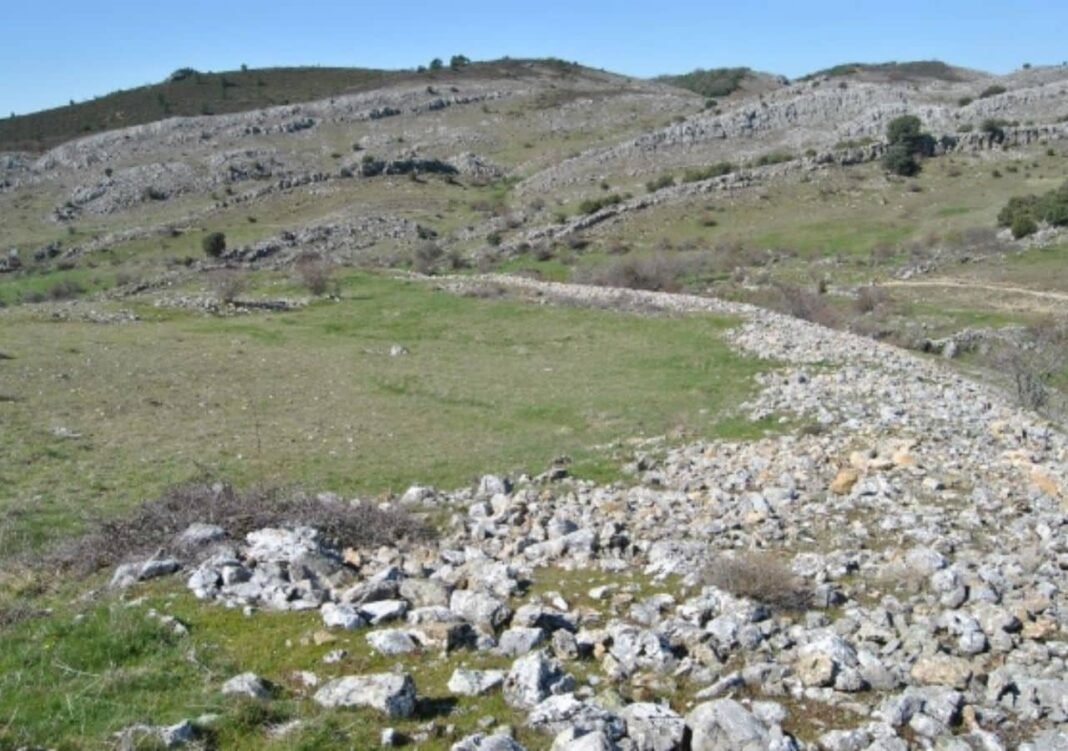
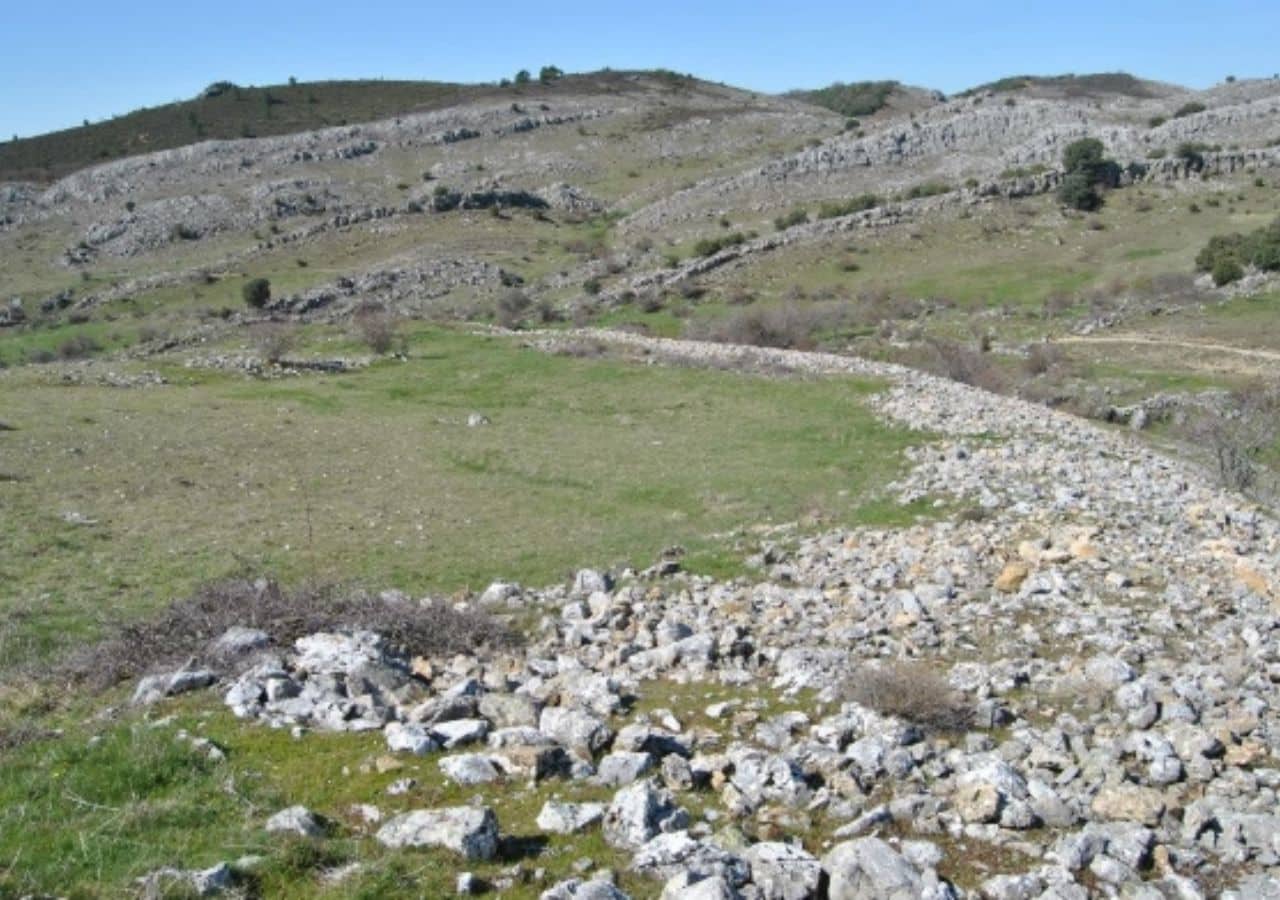
The discovery comes from excavations at La Peña del Castro, a fortified hilltop settlement in the municipality of La Ercina, in the province of León. The work is led by researchers from the University of León.
Discovery of two cult buildings
Researchers say the complex consists of two cult buildings in an unusually good state of preservation. Both stand next to one of the main entrances to the settlement, directly along its principal street. Their position suggests they played a visible and central role in communal life rather than serving private or domestic functions.
According to Eduardo González Gómez de Agüero, the excavation director and a professor in the university’s Department of History, the buildings were in use between the second and first centuries B.C., during the final phase of the Iron Age in this region.
Fire, offerings, and ritual space
The most recent discovery was made in August 2025, during the site’s eighth excavation campaign. That season focused on a stone structure identified in earlier fieldwork. Inside, archaeologists documented clear signs of ritual activity.
The building is constructed of stone and sits beside the settlement’s southwest access point. It has a distinctive D-shaped floor plan, measuring about 6 meters (around 20 feet) across, and was built mainly with yellow-toned sandstone. Access was through a raised entrance reached by several steps.
The ULE stands at the forefront of archaeological research with the discovery at La Peña del Castro of a unique Iron Age religious complex in the northern peninsula.#ULE #UniversidadDeLeón pic.twitter.com/WvnXoqEuzr
— Tom Marvolo Riddle (@tom_riddle2025) January 26, 2026
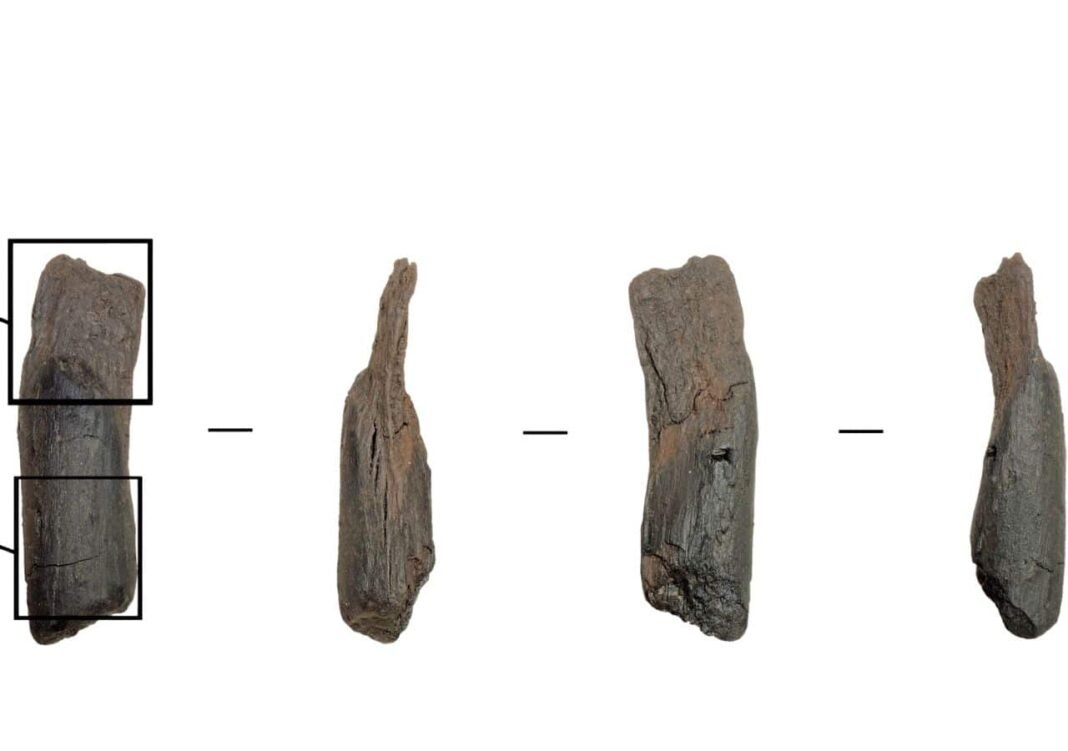
The interior was largely open. A platform held a large, square altar whose surface shows heavy scorching from repeated use of fire. Inside the altar, researchers recovered charred bones from domestic animals along with burned cereal remains.
González said the finds point to ceremonies that involved both animal and plant offerings, a combination that helps clarify the nature of ritual practices at the site. Archaeologists note that such clear physical evidence of ritual behavior is uncommon at Iron Age settlements in northern Iberia.
A second temple across the street
The newly documented building was not an isolated shrine. It stands opposite a second cult structure on the other side of the main street. The two were linked by an elevated stone passageway, forming a single, unified religious complex.
The second building was excavated in 2014. It follows a similar architectural concept, with a D-shaped plan and raised access, but is larger, measuring about 8 meters (around 26 feet) in diameter. Its builders used reddish-toned stone rather than yellow sandstone.
Inside, the structure is divided into three rooms. One room contained an altar made of stone slabs at its western end. In an adjoining room, researchers recovered a notable group of ritual objects, including a large sacrificial knife and several vessels linked to purification practices.
At the entrance to this building, already within the settlement’s access street, archaeologists also documented a well cut into the ground. Researchers believe it was used for offerings made as people entered or moved through the complex.
Why the find matters
González said the two buildings were likely dedicated to deities connected to agricultural cycles and chthonic forces, a term used to describe powers associated with the earth and the underworld.
He called the complex exceptional for northern Iberia, noting that while Iron Age ritual spaces are known in the region, they are rarely found within an urban setting, made up of multiple buildings, and preserved so well. Such sites, he said, are especially valuable because Iron Age belief systems often left few lasting traces.
The construction of the temples also reflects broader changes within the settlement. González said the buildings contributed to the site’s monumental character and pointed to increasing social complexity, including clearer social distinctions, the reshaping of public space, and stronger ties with communities of Spain’s Meseta region.