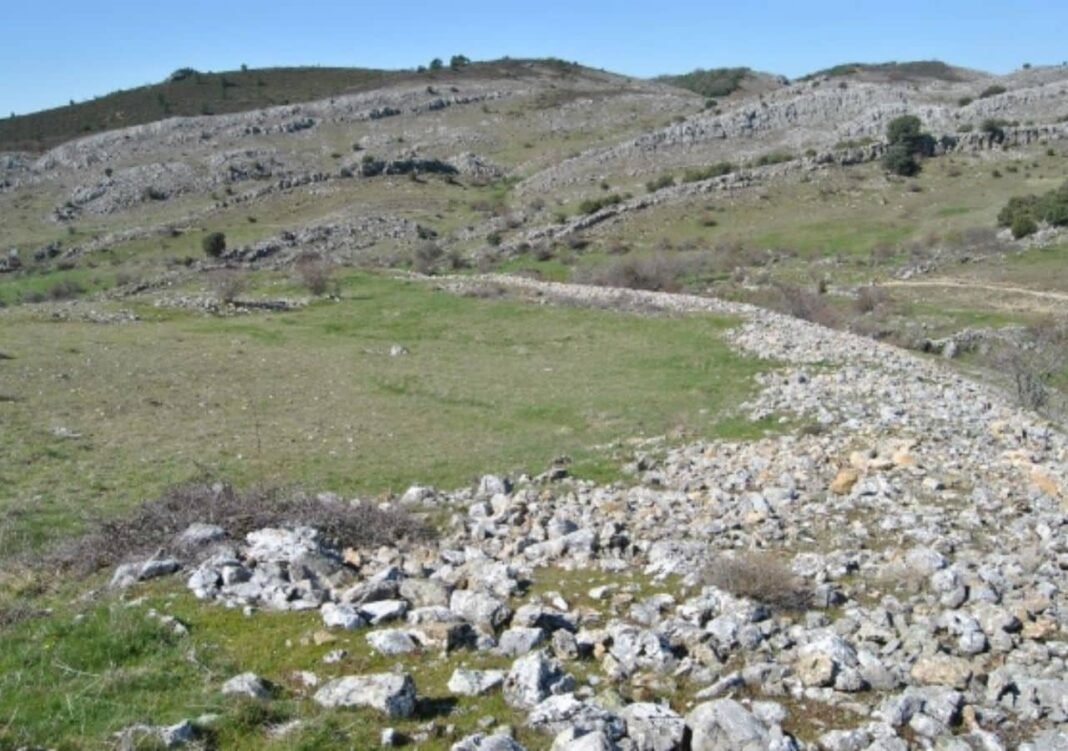
Mexican archaeologists have uncovered an ancient Zapotec tomb in the Central Valleys of Oaxaca, dating back to around 600 CE. Officials say the discovery is one of the most significant archaeological findings in Mexico in the past decade due to its remarkable preservation and detailed cultural insights.
The tomb, found during a research project led by the National Institute of Anthropology and History (INAH), offers an in-depth look at the funerary customs, social structure and belief systems of the Zapotec civilization. Researchers say the location, craftsmanship and contents of the site make it a critical addition to the study of ancient Zapotec life in Oaxaca.
President Claudia Sheinbaum introduced the discovery during a morning press conference on January 23. She highlighted the tomb’s historical value, noting that its condition and the amount of information it reveals reflect the enduring richness of Mexico’s cultural heritage.
Artistic details inside the ancient Zapotec tomb in Oaxaca
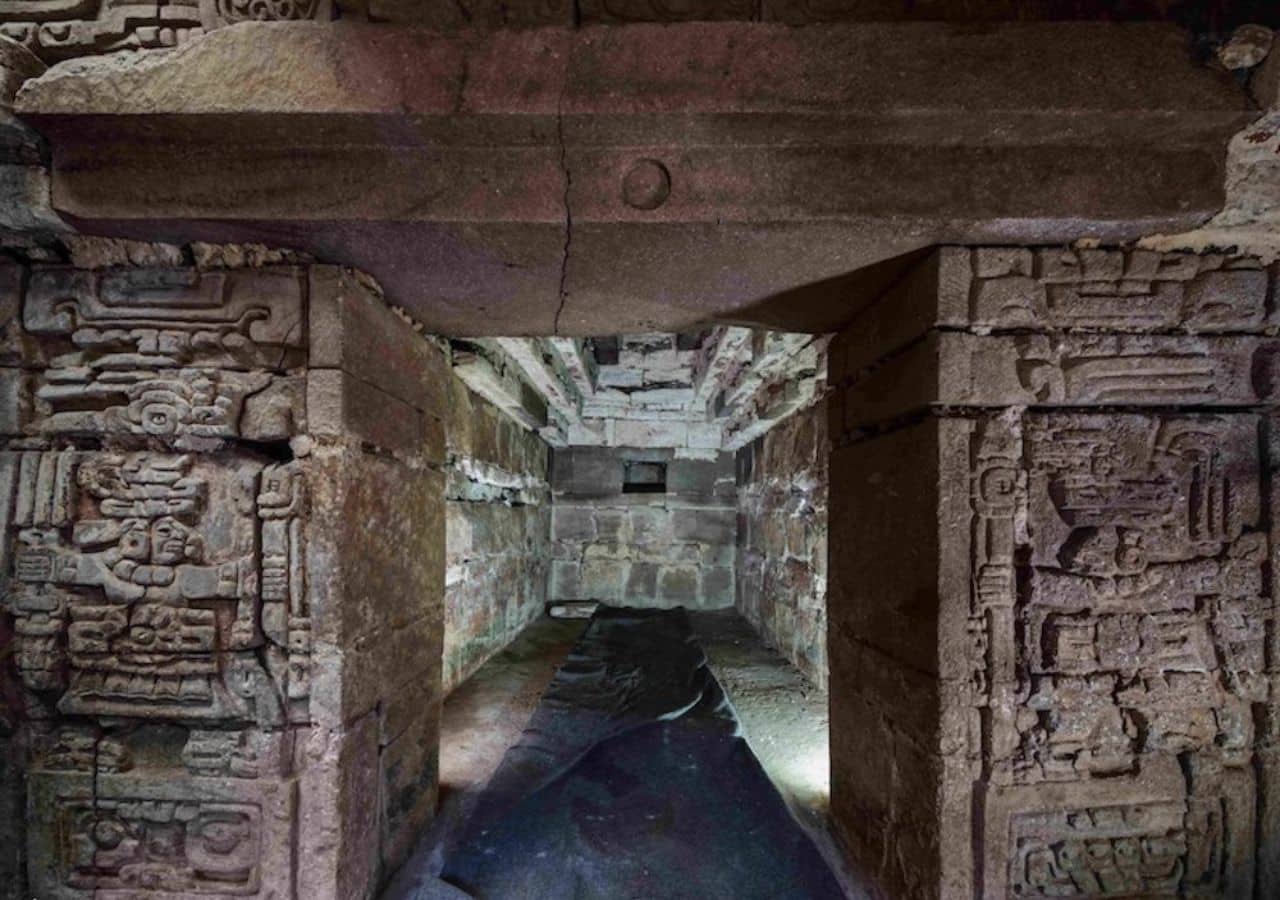
Located in a region long associated with Zapotec settlements, the tomb features intricate architectural elements and mural paintings. Among the most striking details is a sculpted owl at the entrance, a symbol of death and the night in Zapotec cosmology.
The bird’s beak covers the face of a painted figure believed to be a Zapotec ancestor, possibly a nobleman. Experts believe descendants viewed this figure as a spiritual intermediary.
Above the entrance, a stone lintel supports a frieze of engraved calendar names. Carvings on the side columns show a male and a female figure in ceremonial dress holding ritual objects, possibly serving as symbolic guardians of the space.
Inside the tomb, walls are decorated with mural paintings in red, white, green, blue and ochre. The artwork shows a procession of individuals carrying copal bags and moving toward the entrance, likely part of a ritual or funerary scene.
These murals are currently being stabilized by conservation teams due to their fragile state, which has been impacted by environmental changes, plant roots and insect activity.
Archaeologists examine tomb’s religious and social significance
Culture Secretary Claudia Curiel de Icaza described the discovery as extraordinary, emphasizing how well-preserved elements like the architecture and artwork reveal the complexity of Zapotec religious and social practices. She said the site reflects the depth of a civilization that continues to shape Mexican identity.
A multidisciplinary team from INAH Oaxaca is leading the ongoing conservation and analysis of the site. Their work includes ceramic, iconographic and epigraphic studies, as well as physical anthropology research. These efforts aim to further understand the rituals and symbolic systems associated with the tomb.
Researchers are comparing this tomb with other major Zapotec burial sites in the region. Based on its construction and artistic detail, the site stands among the most important for interpreting the symbolic and societal development of the Zapotec people.