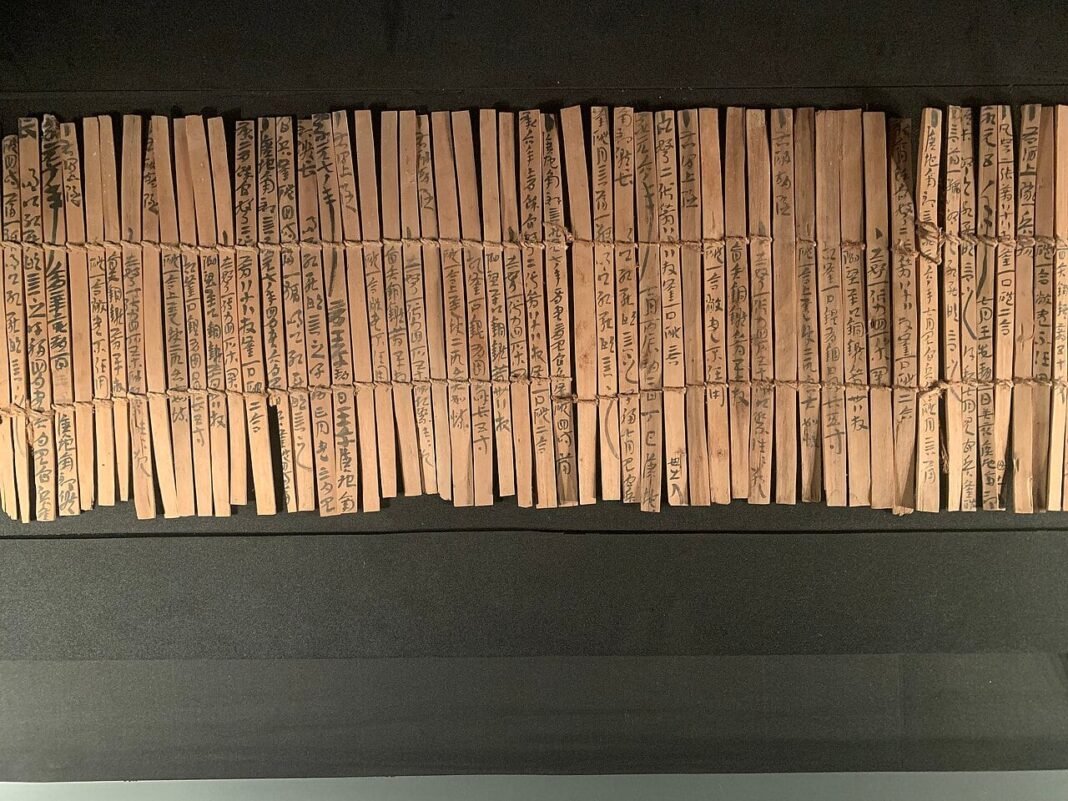
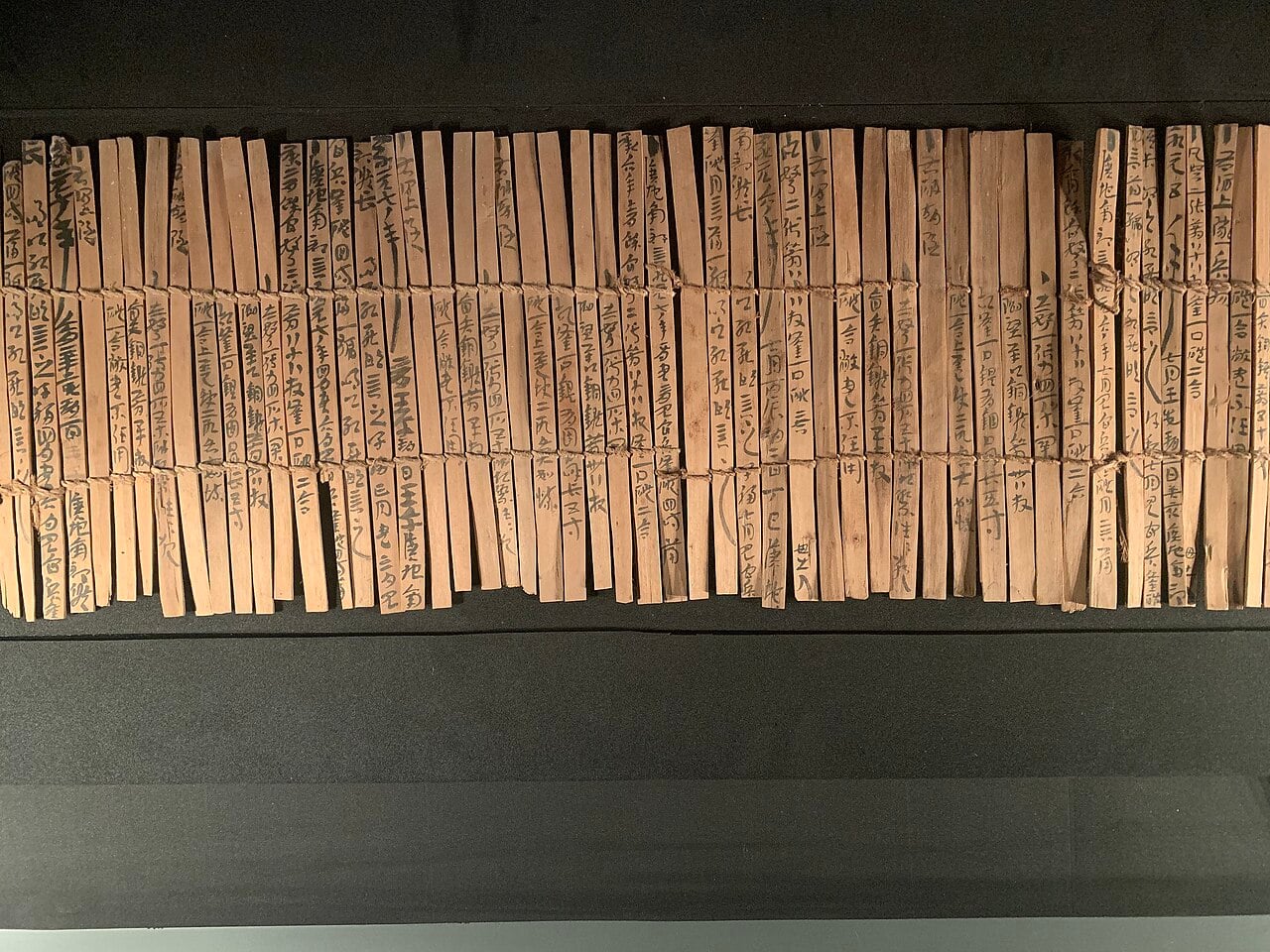
Newly analyzed bamboo texts dating back over 2,000 years have uncovered what researchers call the earliest known Chinese writings focused on horse care and management.
The documents, found in a large collection held by Tsinghua University, include detailed instructions on evaluating, training, and treating horses, offering rare insight into ancient practices during the Warring States Period.
The bamboo slips, dating from 475 BC to 221 BC, contain systematic records that show a sophisticated understanding of horse physiology, behavior, and maintenance.
These writings are part of a broader set of nearly 2,500 bamboo slips acquired by Tsinghua University in 2008, which now stands as the largest known collection from that historical era.
Oldest known Chinese writings on horses found in bamboo texts
The research team identified five previously unknown texts within the bamboo slips, each focused on a specific aspect of horse management. The texts are titled Xuma (Inspecting Horses), Fan Ma Zhi Ji (Illnesses of Horses), Xunma (Training Horses), Yushu (Techniques of Driving), and Yuma Zhi Dao (The Way of Horse Management).
Together, they form what scholars consider the oldest encyclopedic work on horse care discovered in China.
Over 2,000 years ago, ancient Chinese scholars documented detailed horse care in bamboo texts. 🐎
Now uncovered by Tsinghua University, these are the earliest known Chinese writings on equine health and training.#History #China #Archaeology #BambooTexts pic.twitter.com/TDAlC21C7F— Tom Marvolo Riddle (@tom_riddle2025) January 20, 2026
Peng Gang, vice president of Tsinghua University, explained that the study and organization of these bamboo slips have taken more than a decade.
He noted that the project not only contributes to historical understanding but also embraces new research methods such as computational paleography to adapt to modern advancements in technology and artificial intelligence.
Treatises offer insight into equine health and management
Each treatise varies in length and focus. Xuma, made up of 40 slips, details physical traits used to classify horses into 12 categories, offering guidelines for identification. Researchers see it as a critical resource for the study of animal husbandry and early veterinary knowledge.
Fan Ma Zhi Ji originally included 24 slips, with 23 still intact. It records horse illnesses and symptoms in a structured format, making it the earliest known text dedicated to equine health.
Xunma, with 12 slips, outlines horse training methods, emphasizing control over diet and hydration to support healthy development. Yushu includes 38 slips and provides methods for handling horse-drawn vehicles by reading the animals’ body language. Yuma Zhi Dao, also containing 12 slips, offers philosophical comparisons between managing horses and governing people.
Scholars say the discovery holds significant academic value for understanding the social structures, technological development, and institutional thinking of the pre-Qin period. The bamboo texts also strengthen the importance of classical Chinese knowledge in shaping early civilization.