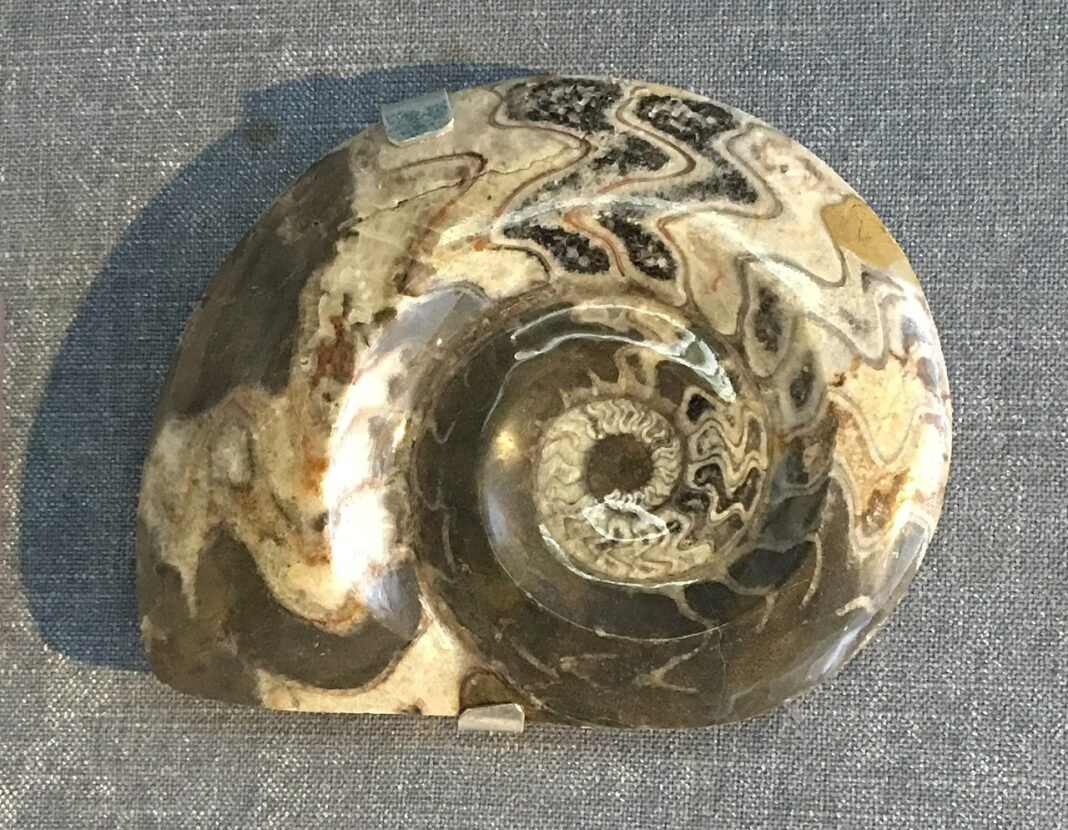
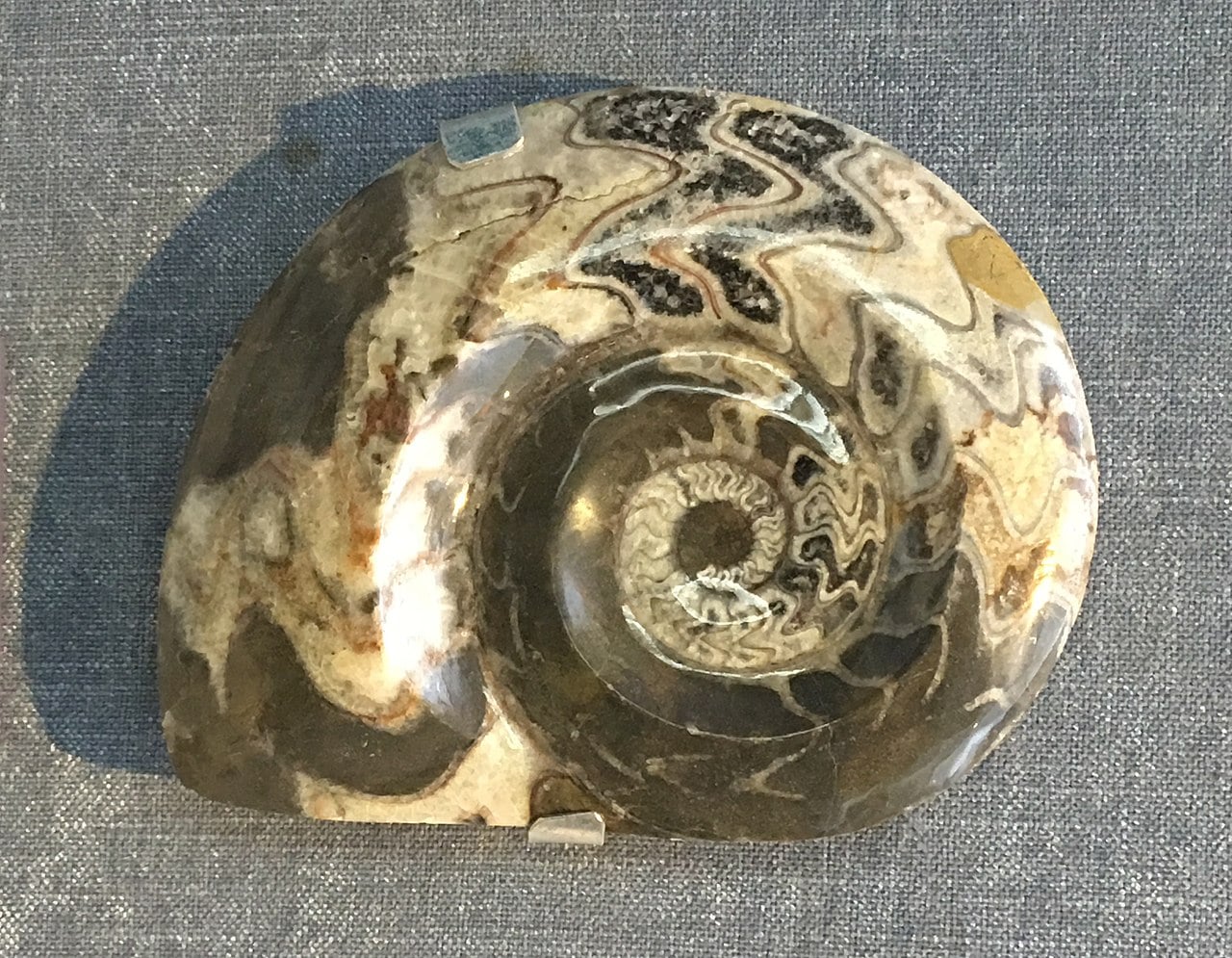
A set of rare marine fossils dating back 340 million years has been uncovered in England’s Peak District, offering scientists and historians an unusually clear window into prehistoric sea life. The discovery, made by National Trust rangers, came from a dry stone wall in the White Peak area of Staffordshire. It is one of the most detailed fossil finds reported from the region.
The fossils, identified as goniatites, are extinct marine creatures related to modern-day squid and octopuses. These ancient cephalopods lived during the Carboniferous period, a time when much of central England was submerged beneath shallow, tropical seas.
Experts say the preservation of the fossilized shells is remarkable, with intricate surface patterns still visible despite the vast passage of time.
Exceptionally preserved fossils surprise rangers
National Trust ranger David Ward, who was on-site during the discovery, said the detail on the shells was so fine it looked as if the patterns had been hand-drawn.
He noted that while the region’s limestone often contains fossil fragments, they are typically damaged or incomplete. In contrast, the newly found specimens were intact and exceptionally well preserved, something Ward described as extremely rare for the area.
🦑 A stunning discovery in England’s Peak District: 340-million-year-old marine fossils found in a stone wall reveal rare details of ancient sea life. Scientists say the preservation is unlike anything seen in the area. 🌊 #Fossils #Paleontology #England #PeakDistrict pic.twitter.com/6gKyjNtUg0
— Tom Marvolo Riddle (@tom_riddle2025) January 19, 2026
To protect the site from potential damage and unauthorized fossil collection, the National Trust has chosen not to share the wall’s exact location.
The find has also drawn interest from researchers. Dr. Susannah Lydon, a paleontologist at the University of Nottingham, explained that goniatites evolved rapidly and had a broad geographic spread across ancient oceans.
This makes them useful index fossils, allowing geologists to date the rocks they are found in and piece together information about ancient climates and sea levels.
Marine fossils in England offer new scientific insight
Dr. Lydon said goniatites are sometimes compared to ammonites, a more widely known group of extinct marine animals that lived later and are commonly found along the UK’s Jurassic Coast.
She added that fossil discoveries in familiar local settings help communities connect with the ancient past, changing how people view their place in Earth’s long history.
The National Trust expressed that the marine fossils found in England will be preserved and used in educational programs. Ward said the specimens will feature in guided walks and talks, aimed at sparking public interest in geology and the protection of natural heritage.
As climate change and erosion continue to impact historic landscapes, the discovery underscores the importance of preserving and studying what remains of Earth’s deep past.