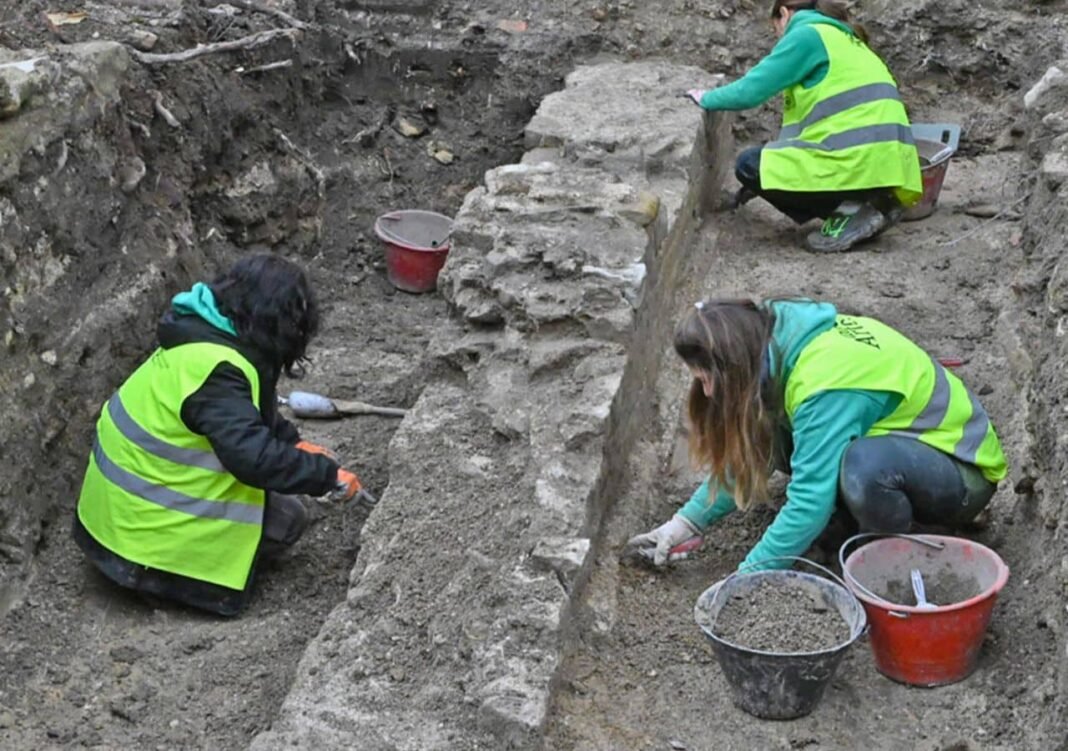
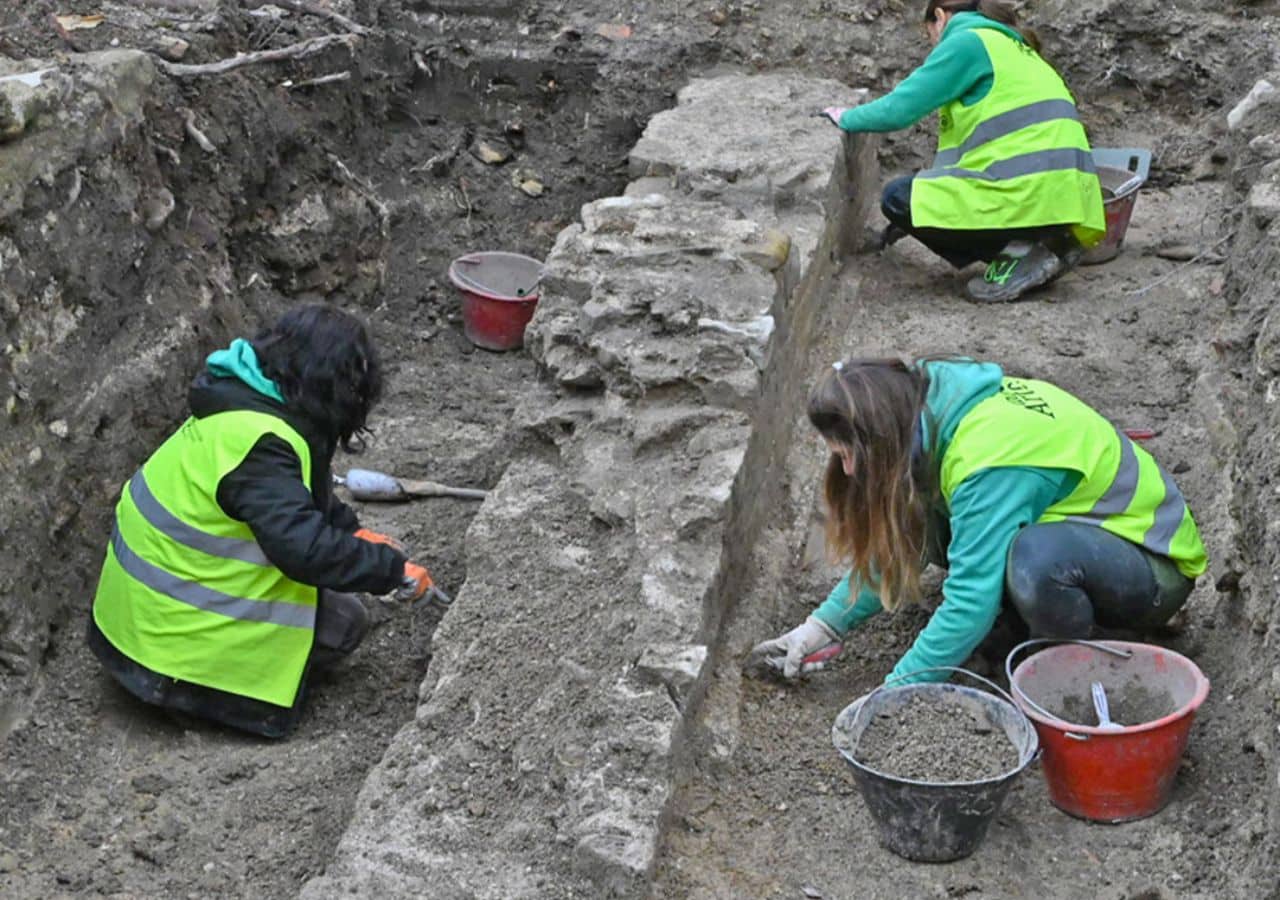
Archaeologists have uncovered a major piece of Roman history in the Italian city of Fano, where remains identified as part of the ancient Basilica of Vitruvius have been found during redevelopment work in Piazza Andrea Costa.
The basilica, described in the fifth book of Vitruvius’ treatise De Architectura, had long been thought lost to time. Experts now confirm the discovery matches the structure detailed by the Roman architect Marcus Vitruvius Pollio, who served under Caesar and famously described a rectangular public building in Fano.
The newly unearthed remains, including column bases and wall segments, offer the first tangible evidence of that structure. According to Vitruvius, this was the only building he personally oversaw, which he said embodied both dignity and beauty.
Architectural layout matches the ancient description
Researchers say the basilica faced the city’s ancient forum and aligned with the Temple of Jupiter (Zeus), forming the central axis of Roman Fano.
Excavation teams were able to confirm the layout by comparing it with Vitruvius’ own measurements, finding columns in the exact arrangement he recorded: eight along the longer side, four on the shorter, with two omitted where the building opened toward the forum.
A critical moment came during a survey in Piazza degli Avveduti, when archaeologists located the fifth corner column precisely where the ancient plans indicated. This column, supported by two adjoining pillars, helped confirm the upper-floor structure described in the treatise.
Additional finds included a perimeter wall with surviving plaster and floor preparation layers, though the original flooring has been lost due to later urban development.
Cultural impact of the ancient Basilica of Vitruvius
The discovery places Fano in a new international light. Already significant during the Augustan period, the city now becomes a confirmed site of Roman architectural innovation. Culture Minister Alessandro Giuli called it a turning point for archaeology, noting that future studies will likely refer to this discovery as a watershed moment.
Marche Region President Francesco Acquaroli said the find alters the historical perception of Fano and enriches Italy’s cultural legacy. Fano Mayor Luca Serfilippi called the discovery a return of the city’s long-lost identity, now made visible after centuries of study.
While the find has stirred global interest, authorities stress the importance of protecting the exposed remains. The local Superintendency warned that fragile lime materials could deteriorate without proper conservation. At least one million euros in funding is needed to continue excavation and safeguard the site.
There is also growing interest in seeking UNESCO World Heritage status for Fano. Officials say the ancient basilica and its surrounding structures could become a key part of the region’s cultural and tourism future.