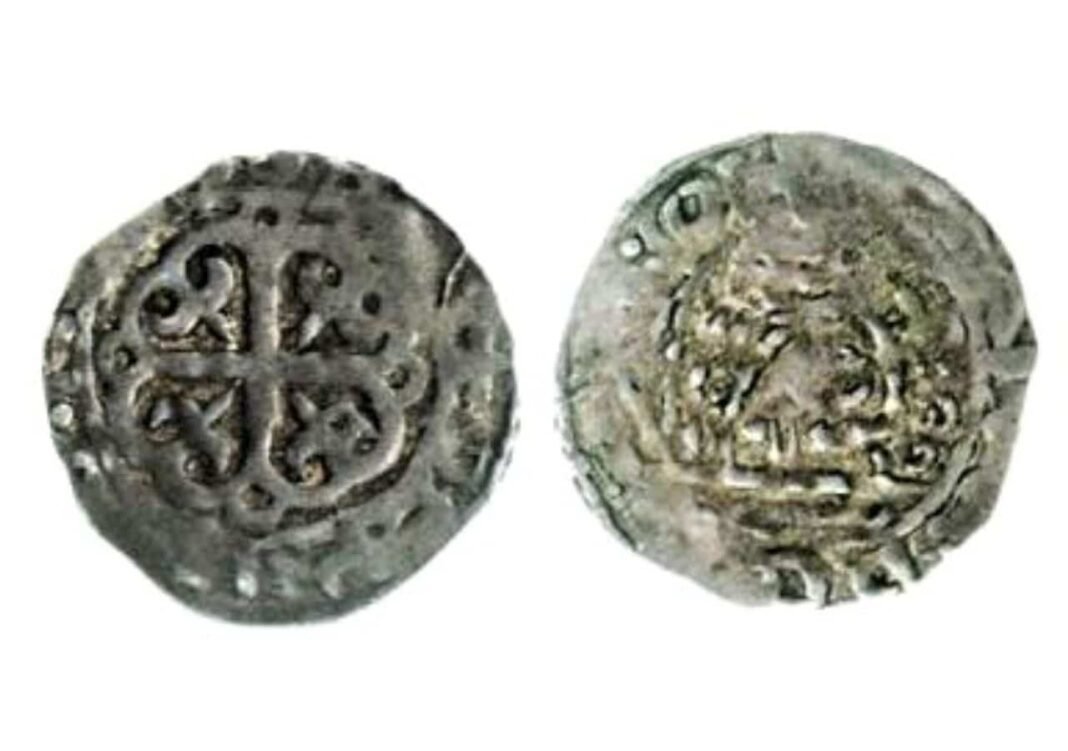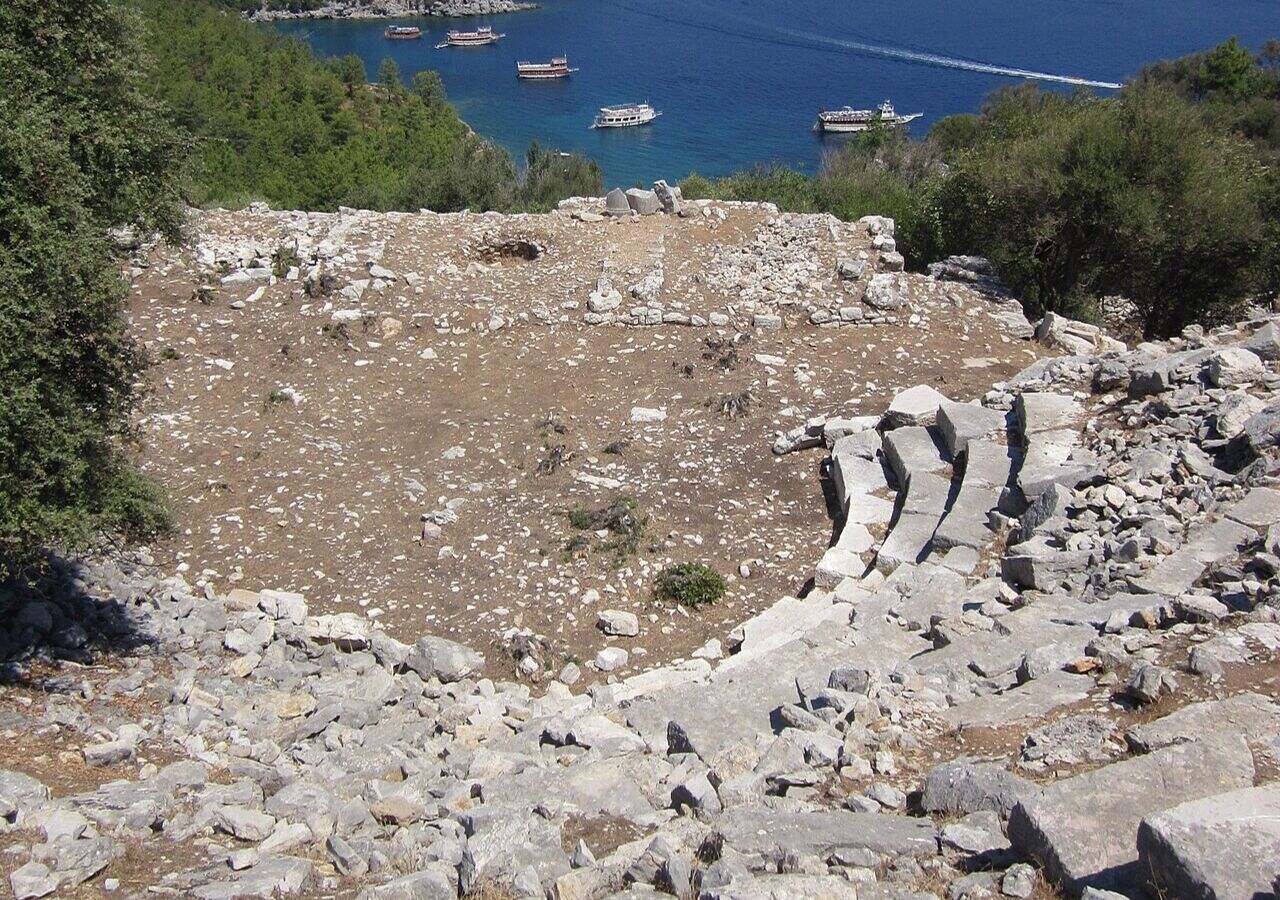
Archaeologists have unearthed a silver necklace believed to represent the goddess Ishtar at the ancient city of Amos in southwestern Turkey. The 2,200-year-old artifact, discovered in the Marmaris district of Muğla province, features a lion figure and an eight-pointed star, symbols historically linked to the Assyrian deity. Experts say the rare find offers new clues about cultural exchange and religious beliefs in the Hellenistic period.
The necklace was found during 2025 excavations at Asarcık Hill, a site under continuous study this year. The work is led by Mehmet Gürbüzer, an archaeologist with Muğla Sıtkı Koçman University. He said the goddess Ishtar necklace points to Amos’s cultural depth and highlights the city’s role in ancient trade and communication networks.
Amos’s role in ancient trade and culture
Gürbüzer explained that Ishtar, also known as Inanna in Sumerian traditions, was widely worshipped across the Near East.
The presence of her symbols in Amos suggests the city had strong ties beyond the Aegean, particularly through commerce and military connections that became more prominent around the 7th century B.C. He described Amos as a strategic port that maintained relationships with major civilizations of its time.
Archaeologists uncovered a 2,200-year-old silver necklace linked to the goddess Ishtar at the ancient city of Amos in Muğla. The find offers new insight into the region’s cultural and economic past. #Archaeology #Turkey #History #Ishtar #AncientWorld pic.twitter.com/sJpu6chSwf
— Tom Marvolo Riddle (@tom_riddle2025) December 30, 2025
The archaeologist also emphasized that early-period discoveries are essential for understanding the city’s past, revealing its economic and cultural significance. Excavation efforts will continue in 2026, focusing on residential structures and the Temple of Greek god Apollo Samnaios.
Excavations reveal goddess Ishtar necklace in Turkey
The site gained official excavation status in 2022 through a presidential decree. Work is being conducted as part of the Ministry of Culture and Tourism’s Heritage for the Future project. The initiative is supported by the Marmaris Chamber of Commerce, Marmaris Municipality and Marti Hotel and Marina.
Archaeological interest in Amos dates back to 1948, when British archaeologist G.E. Bean led the first documented dig. Among his findings were lease contracts detailing land rentals, which offered insight into the city’s economic system and drew scholarly attention to the site.