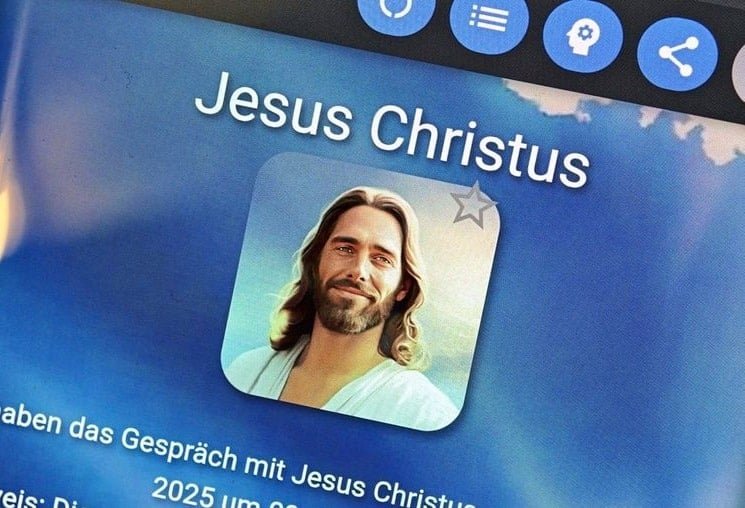
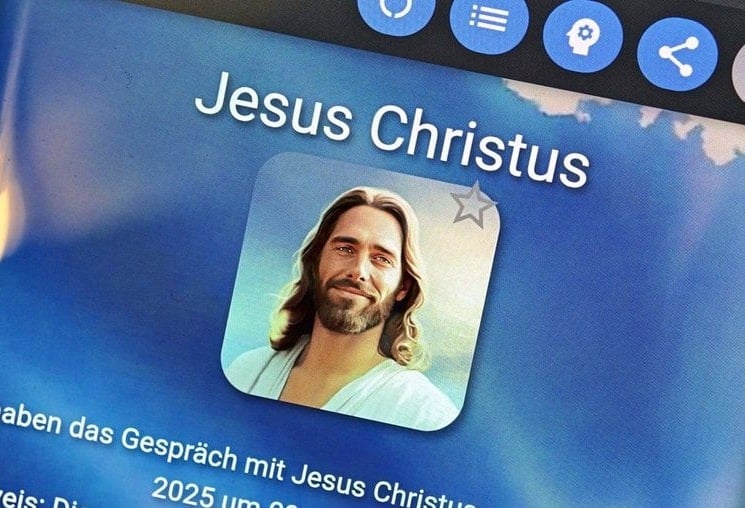
In an era where artificial intelligence increasingly permeates daily life, a controversial application, “Text with Jesus,” has ignited a debate in Greece at the intersection of technology and faith.
Based on OpenAI’s GPT-5 model, the app allows users to engage in simulated conversations with biblical figures, raising both curiosity and sharp criticism across the predominantly Orthodox nation.
Developed by Catloaf Software, “Text with Jesus” offers a “divine connection in your pocket,” allowing users to message AI-powered versions of Jesus, Mary, and the Apostles. While the developers position it as a tool for personal reflection, its arrival coincides with a broader conversation within the Greek Orthodox Church regarding the spiritual implications of machine intelligence.
Interactive faith: Text with Jesus App Features
The app functions as a sophisticated instant messaging platform where the AI assumes the personas of iconic biblical figures. Users can chat with a wide range of figures from both the New and Old Testaments, including the Holy Family, the prophets, and even characters like Job or Ruth.
The AI is trained to provide explanations and advice drawn from various Bible translations, often citing specific verses to comfort users experiencing anxiety or stress.
A recent 2025 update allows biblical personas to “remember” previous conversations, creating a more personalized and consistent dialogue for long-term users.
Beyond historical figures, the app features AI “pastors” and “priests” from various faith traditions that users can consult for everyday moral dilemmas.
Perhaps the most controversial element is a premium feature that enables a chat with the Devil. This persona often uses the “smiling face with horns” emoji and provides a cynical, albeit constrained, viewpoint that many critics have found “chilling.”
The theological counter-perspective
While Church leaders have not issued a formal decree against this specific app, their recent general warnings about AI provide a stark context for its reception. During the Holy Synod in October 2025, Metropolitan Nikolaos of Mesogaia described the rise of AI as a unique challenge to the human soul.
“The modern deification of technology replaces the human mind with mechanical logic,” Metropolitan Nikolaos noted. “When we seek spiritual intimacy from an algorithm, the human being—created in the image of God—risks becoming incomprehensible to itself.”
The spiritual leader of global Orthodoxy, Ecumenical Patriarch Bartholomew, has also weighed in on the broader technological landscape this year. Speaking on the integration of AI into daily existence, he urged the younger generation to look beyond the screen.
“The Church encourages young people to cultivate ‘spiritual intelligence,’” the Patriarch remarked, “by exploring and embracing the invaluable spiritual and cultural treasures of our tradition… implementation of artificial intelligence requires respect for individual dignity and the safeguard of fundamental freedoms.”
The debate underscores a profound tension in Greek society. While some users find the app to be a “fun, accessible way to explore scripture,” others view the subscription-based models—particularly for talking to the Apostles or Satan— as a “modern form of simony.”