
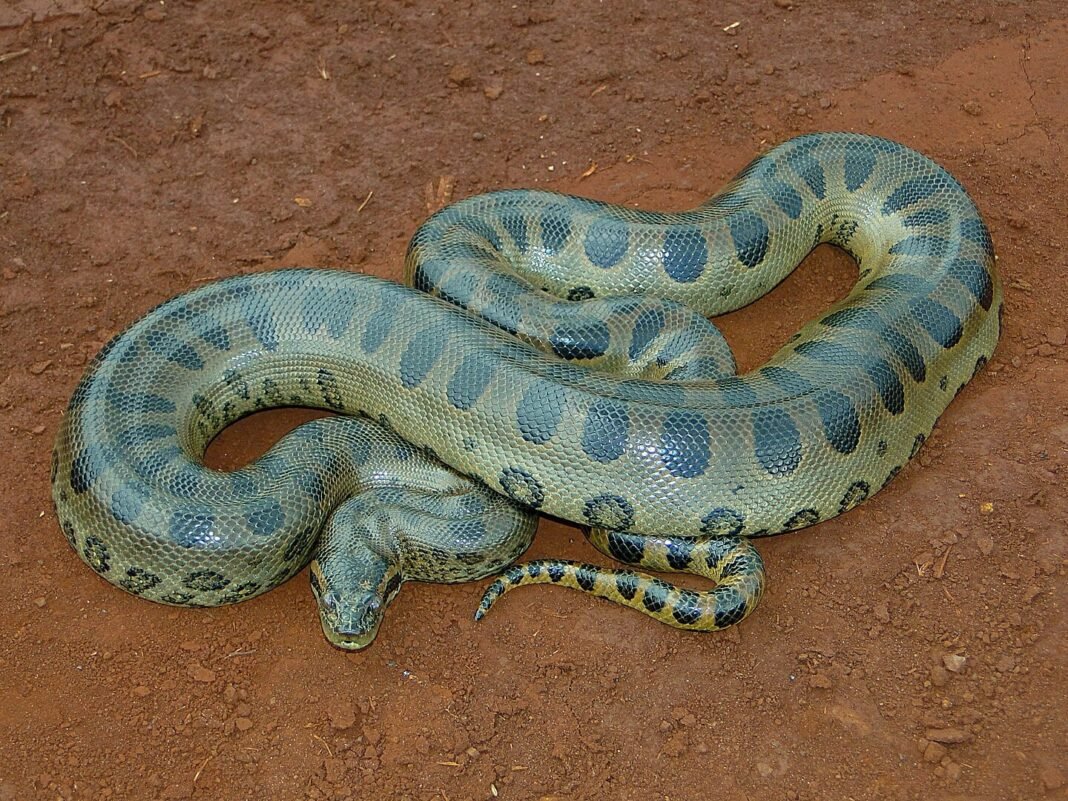
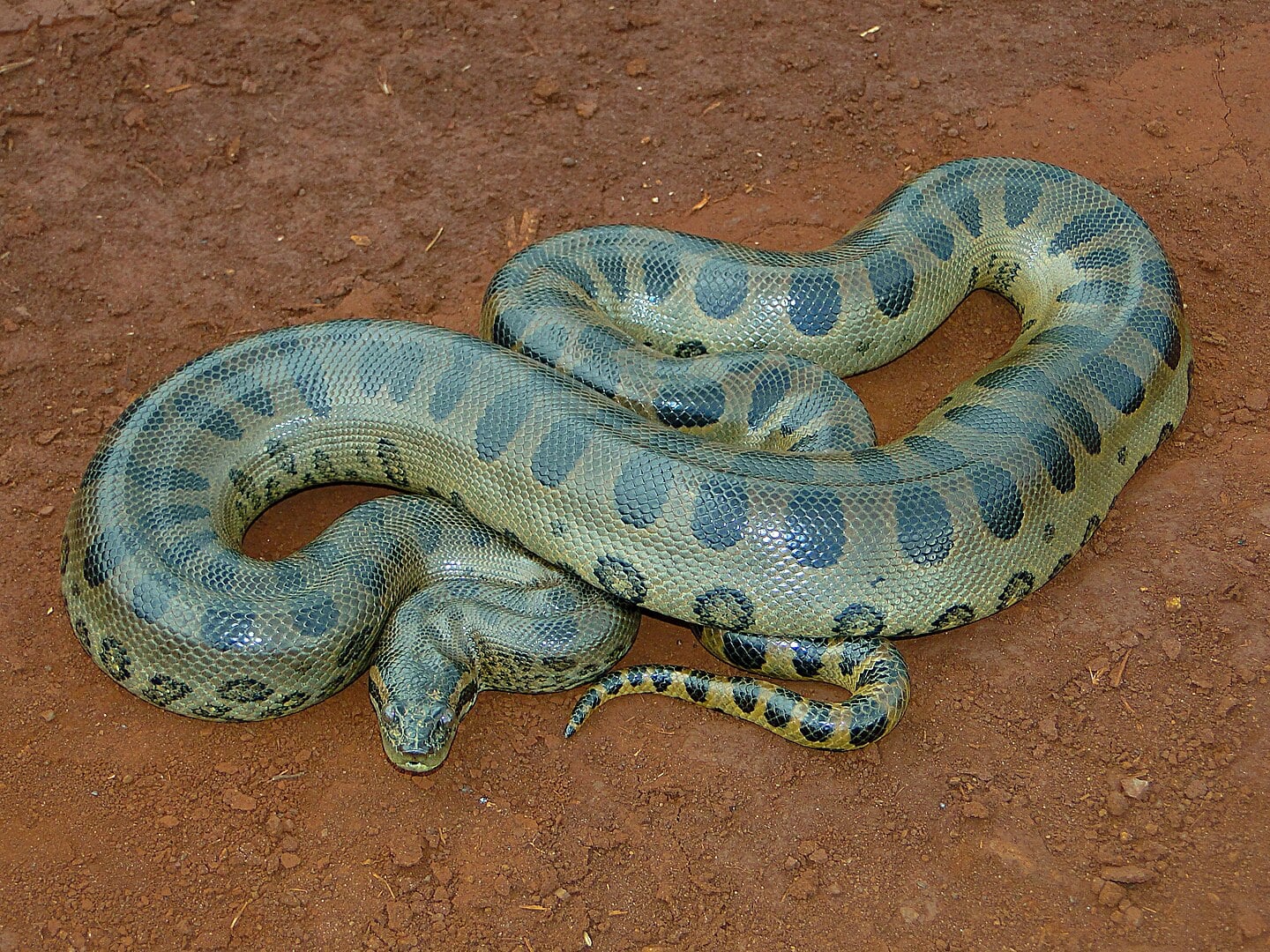
Fossils uncovered in the Urumaco region of northwestern Venezuela have revealed that giant anaconda bones found there date back to about 12.4 million years ago. The discovery offers the earliest known evidence of these massive snakes and helps researchers understand when they reached their impressive size.
A team led by the University of Cambridge studied 183 fossilized vertebrae belonging to at least 32 different anacondas.
The research showed that these snakes had already evolved their large body size during the Middle Miocene period and have remained roughly the same size since.
This includes the modern green anaconda, one of their closest living relatives, which remains the heaviest snake species alive today.
Ancient giant anacondas measured over 17 feet
Scientists used a combination of fossil measurements and a method known as ancestral state reconstruction to estimate the size of these prehistoric snakes.
This technique compares traits of living animals to project characteristics of their ancient relatives. Based on the analysis, the early anacondas measured approximately 5.2 meters (17 feet) in length.
🦎 Fossil discovery alert: Giant anaconda bones found in Venezuela date back 12.4 million years! 🐍 Researchers say these prehistoric snakes reached massive sizes early—and never shrank.#Anaconda #Fossils #Venezuela #Paleontology #ScienceNews #Miocene #SnakeFacts pic.twitter.com/XniDrJ0Cdt
— Tom Marvolo Riddle (@tom_riddle2025) December 2, 2025
The bones were excavated from a fossil-rich site in Urumaco, a region known for preserving ancient wildlife despite the challenges of fossil formation in tropical climates.
Most snakes, including anacondas, live in environments where heat, humidity and acidic soils destroy remains quickly. That makes well-preserved specimens like those in Venezuela especially valuable for scientific study.
Anaconda bones in Venezuela offer rare evolution clues
Andrés Alfonso-Rojas, a doctoral researcher in zoology at the University of Cambridge and the study’s lead author, said the findings were unexpected.
He and his team had anticipated that earlier anacondas would be significantly larger due to warmer global temperatures during the Miocene, possibly reaching up to eight meters (26 feet).
However, no such evidence was found, and fossil records suggest the maximum size had already been reached by that time.
The study also highlights that anacondas evolved gigantism during the same period as other large reptiles in the region, including the 12-meter-long (39 feet) caiman Purussaurus and the giant freshwater turtle Stupendemys. While those species eventually went extinct and were replaced by smaller relatives, anacondas continued to survive at their large size.
Unlike other animals in northern South America’s wetlands, anacondas did not shrink as the climate cooled after the Miocene. Alfonso-Rojas believes their early size may have been driven by warm conditions and abundant prey in widespread wetland ecosystems. Why they remained so large, however, remains unclear.
Further fossil discoveries from later time periods may help explain how anacondas managed to hold onto their size while other giant reptiles vanished.


