Researchers at the Chankillo Archaeoastronomical Complex in Peru have identified a structure older than a well-known observatory, a finding that reshapes the early timeline of Andean astronomy. The newly documented feature appears older than the famous Chankillo Solar Observatory, prompting a major reassessment of when sky-watching traditions first emerged in the Andes.
The Peruvian Ministry of Culture announced the finding and said the discovery expands the timeline of organized astronomical knowledge in the region. Officials noted that the structure shows early evidence of deliberate planning and observation among ancient Andean communities.
Ministry says early scientific traditions ran deeper
The ministry did not release details about the building’s size or exact purpose, but confirmed that the feature existed before the well-studied Chankillo Solar Observatory.

That structure, built around 250 BCE and later added to the UNESCO World Heritage List, has long been recognized as a milestone of early astronomy. The discovery suggests that the scientific roots of the complex reach even further back.
Structure aligns with the sun in Peru’s Casma Valley
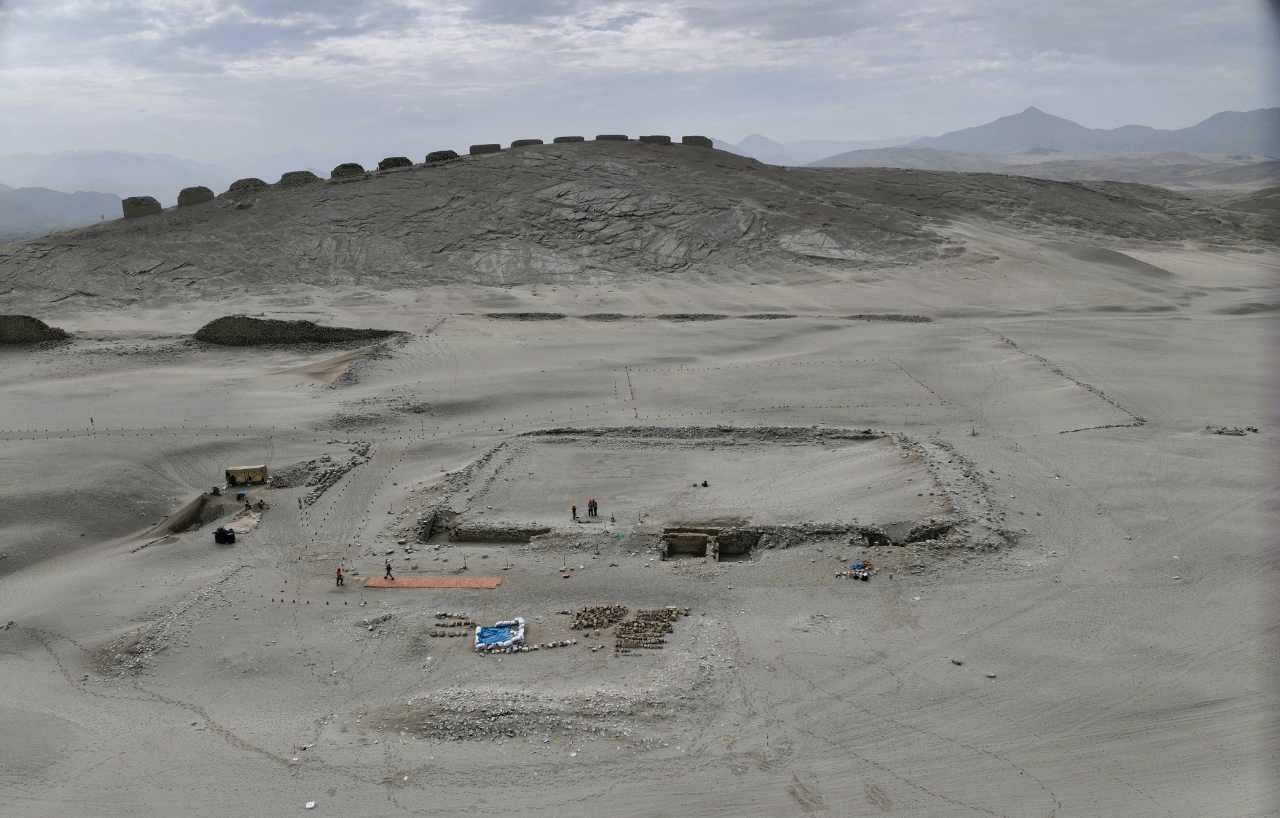
The newly identified structure sits in the desert landscape of the Casma River valley in Peru’s Ancash region, an area known for early ceremonial sites linked to the Casma-Sechín culture. Archaeologists say the building is oriented toward the sun in a precise way, indicating purposeful construction for tracking celestial events.
They report that the construction materials, soil layers, and architectural features point to a date significantly earlier than the famous observatory.
Early astronomical planning likely began centuries earlier
Radiocarbon dating is still underway, but initial evidence suggests that organized astronomical planning in this region began far earlier than previously documented. Researchers say the structure may be one of the earliest known examples of solar-focused architecture in the Americas, potentially extending the origins of Andean sky-observation traditions by centuries.
Lunar-aligned corridor shows complex celestial tracking

Excavations also revealed a corridor aligned with the lunar cycle. Researchers say this feature adds another layer to the site’s importance. The alignment indicates that ancient observers at Chankillo monitored both the sun’s yearly path and the moon’s more complex movements. This dual system points to a sophisticated understanding of celestial rhythms and a deeper scientific tradition than earlier archaeological records suggested.
Ceremonial vessel hints at elite authority and sky-watching power
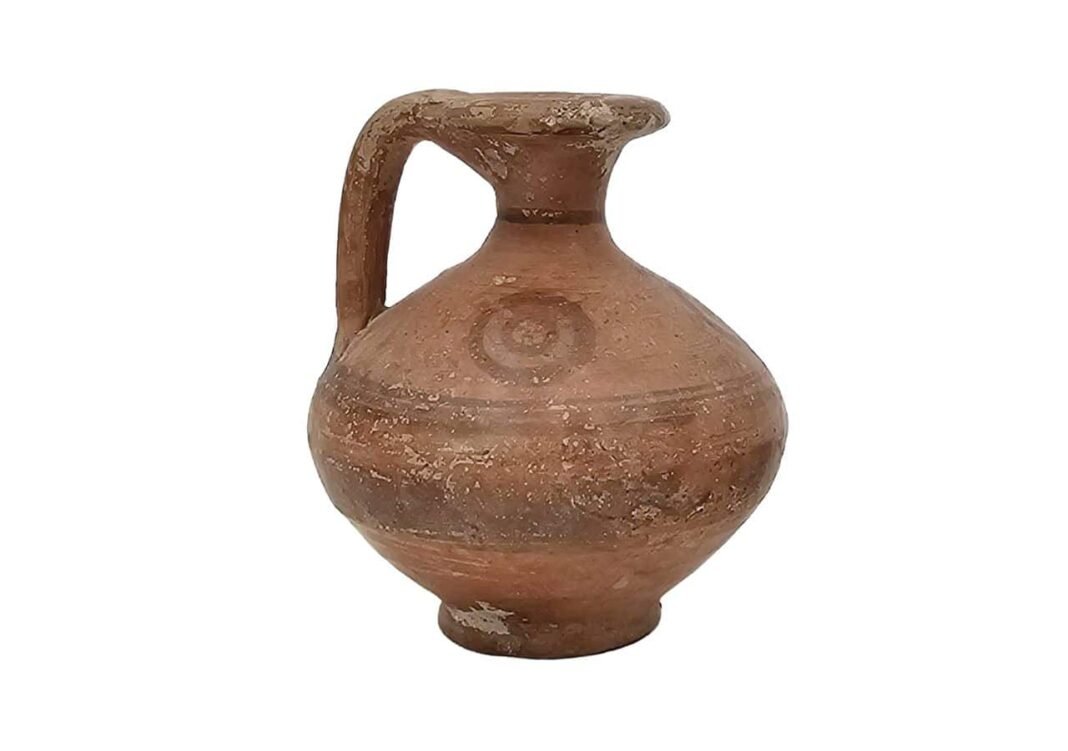
Alongside the astronomical discoveries, scientists uncovered a large ceremonial vessel in the Patazca style. The meter-tall artifact features clay figures of warriors in active combat poses and was found in a restricted-access area near the observatory.

Researchers say its placement may indicate elite groups who held ritual authority, military leadership, and astronomical expertise. The context suggests that sky observation at Chankillo was closely tied to political and ceremonial power.
Casma’s astronomical legacy strengthened by new findings
The Ministry of Culture said these discoveries reinforce Casma’s place as one of the world’s most significant ancient centers of astronomy. Restoration and conservation work continues, with plans to prepare the Thirteen Towers, the observatory, and surrounding structures for future public access.