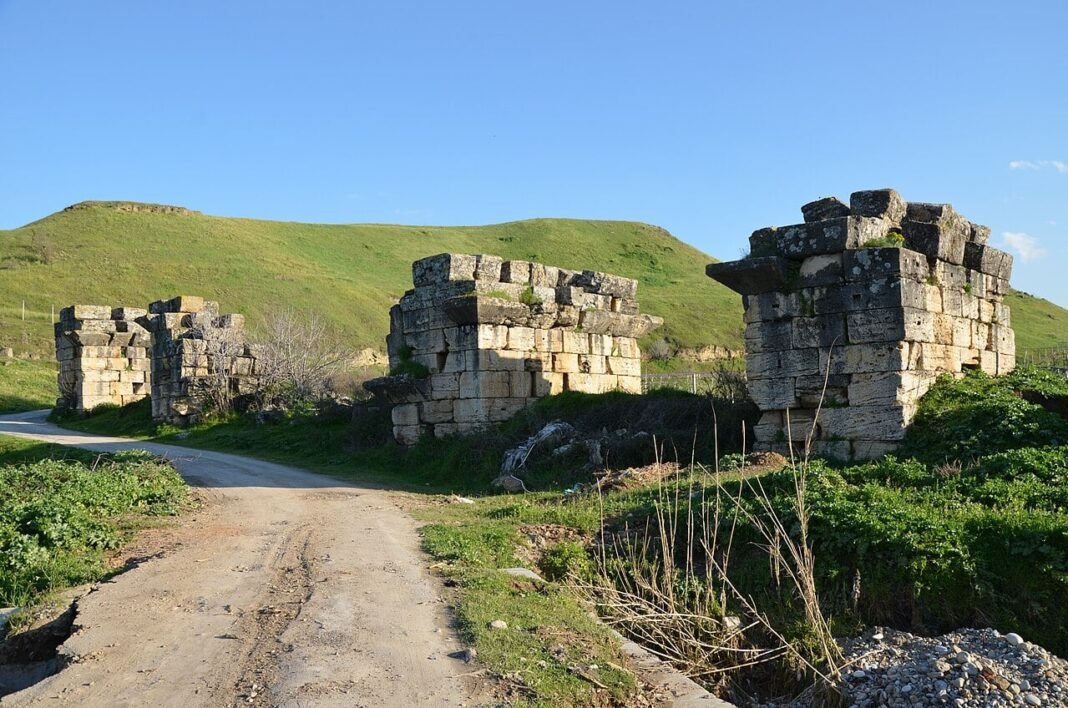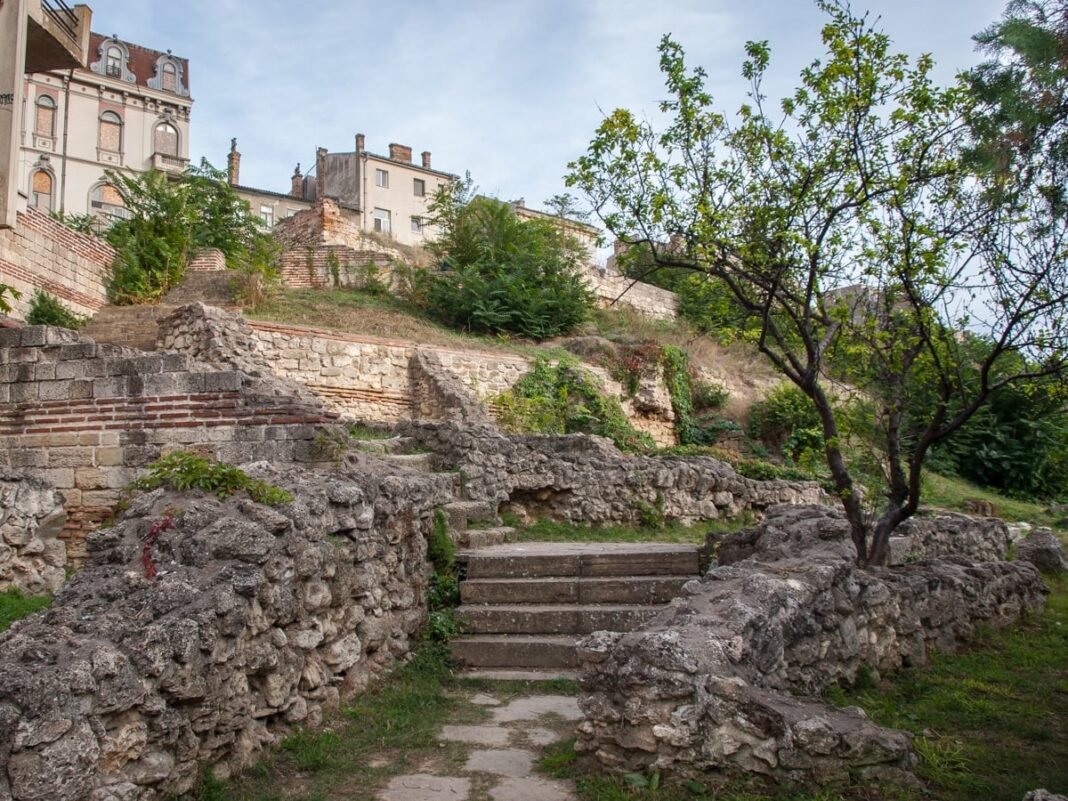
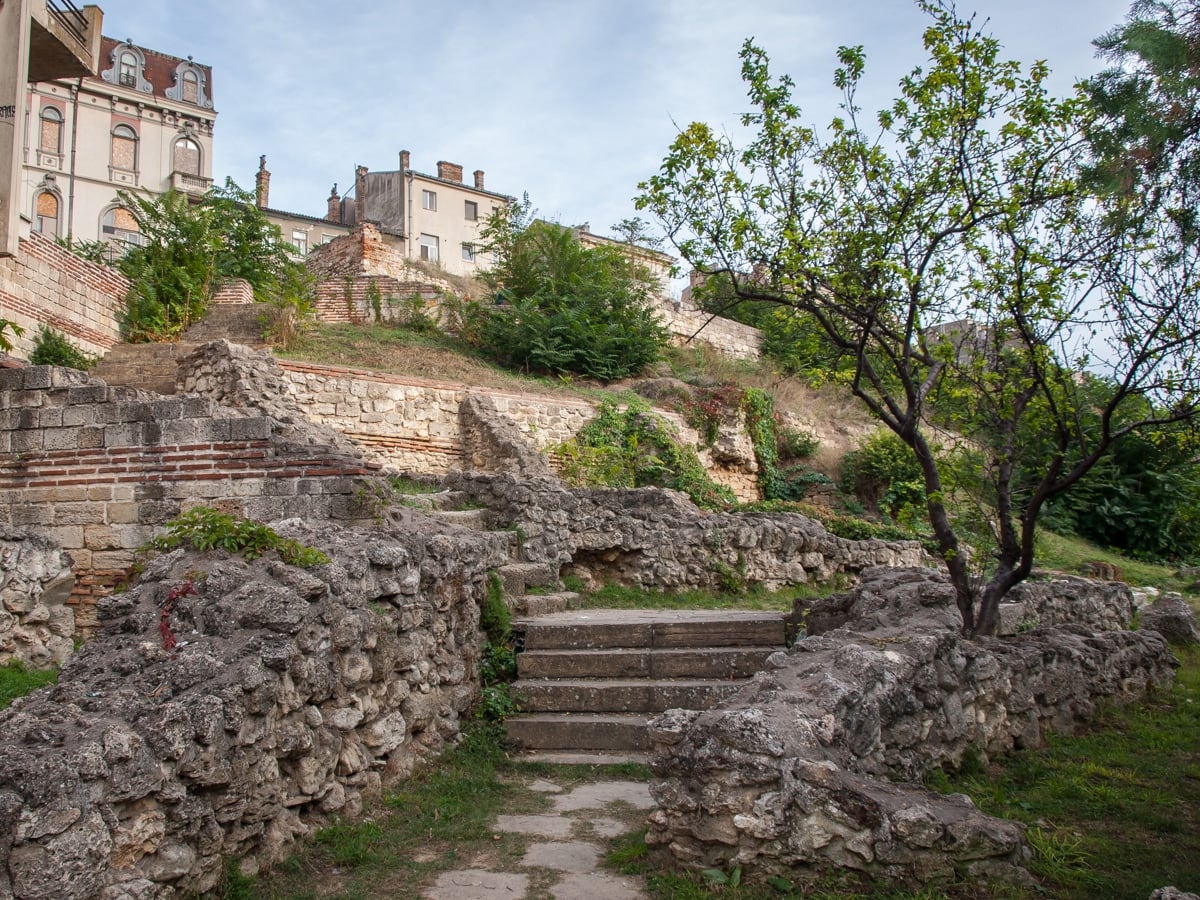
Archaeologists working in southeastern Romania have uncovered 34 Roman-era graves, including catacombs, a rare Greek inscription, and an unusual ceremonial shield element during preventive excavations at a hospital construction site in the city of Constanța.
The graves date to the 3rd and 4th centuries AD and were discovered during archaeological research conducted ahead of renovation work at the Constanța Municipal Hospital. Researchers said the finds offer new insight into burial customs, religious life, and trade connections in the ancient city of Tomis, a key Roman port on the Black Sea coast.
Catacombs point to long-term burial use
Several of the graves were arranged in catacombs and contained multiple burials. Archaeologists said this layout suggests repeated and long-term use of the burial ground outside the city walls.
Such burial practices indicate a stable community with established funerary traditions that lasted across generations. Researchers said the structures reflect organized use of space and evolving burial customs during the Late Roman period.
Grave goods reveal daily life and trade links
Many of the graves contained funerary objects that help reconstruct daily life in Roman-era Tomis. These items include jewelry, clothing accessories, glass vessels, coins, and a large quantity of ceramic material.
Among the ceramics, archaeologists identified numerous North African amphorae. Researchers said their presence points to strong commercial ties between Tomis and other regions of the Roman Empire, highlighting the city’s role in long-distance trade networks.
Greek inscription and rare shield element stand out
Two discoveries were described as particularly significant. One is a Greek inscription that confirms the existence of a religious association active in Tomis during the 3rd century AD. Archaeologists said inscriptions of this type are rare in Romania and provide valuable evidence of organized religious life in the city.
The second notable find is an umbo, the central metal boss of a ceremonial shield. Experts described the object as extremely rare, especially in a funerary context. Such items are seldom recovered from Roman provincial burial sites and may point to the presence of military symbols or high-status individuals.
Excavation carried out under heritage protection rules
The discoveries were made during preventive archaeological research, which is required by Romanian law for construction projects located in protected heritage areas. The aim is to identify and document archaeological remains before development proceeds.
The hospital site lies within the Necropolis of the ancient city of Tomis and within the protection zone of a Roman funerary monument dating to the 4th century AD. Archaeologists said the location is essential for understanding the evolution of Tomis during the Roman period.
Research completed, construction moves forward
Excavation work was carried out in clearly defined areas and followed approved archaeological methods and safety regulations. Archaeological activity was temporarily suspended at times due to safety concerns linked to demolition works and unstable nearby structures. Researchers later returned to recover exposed material and complete documentation once conditions allowed.
The National History and Archaeology Museum of Constanța said preventive research at the site has now been completed, allowing the hospital renovation project to continue.
Researchers said the discoveries highlight the archaeological importance of Constanța and reinforce the role of preventive archaeology in Romania, which allows modern infrastructure projects to proceed while preserving evidence of the country’s ancient past.