The island of Milos in Greece is a stunning destination with a unique blend of natural beauty, cultural heritage, and relaxed island vibes.
It is no wonder that the Cycladic island was recently named by Conde Nast Traveller as the “Greek Island of the Summer,” a title that cements its growing status among top-tier travel destinations.
In recent years, the island has earned international acclaim. Travel + Leisure once crowned it the best island in the world, and Milos was an inspiration for the iconic French fashion houses of Dior and Louis Vuitton.
“Greece’s second most notable volcanic island after glitzy Santorini, Milos is half as busy and twice as beautiful. Its horseshoe of mineral-rich multicoloured rocks is peppered with swimming lagoons, quarry ruins and whitewashed fishing villages,” a travel critic wrote in The Guardian recently.
One of the best things about Milos is that it still feels undiscovered. While more travelers are just starting to hear about it, the island has maintained a sense of exclusivity. There are no massive cruise ship crowds, no overwhelming tourist traps—just breathtaking landscapes, welcoming locals, and a relaxed atmosphere inviting you to slow down and soak in the beauty.
Ten reasons to visit Greece’s island of Milos:
- Breathtaking beaches: Milos boasts some of the most picturesque beaches in Greece. From the iconic Sarakiniko to the secluded Tsigrado and the colorful rock formations of Kleftiko, each beach on the island has its own charm and beauty.
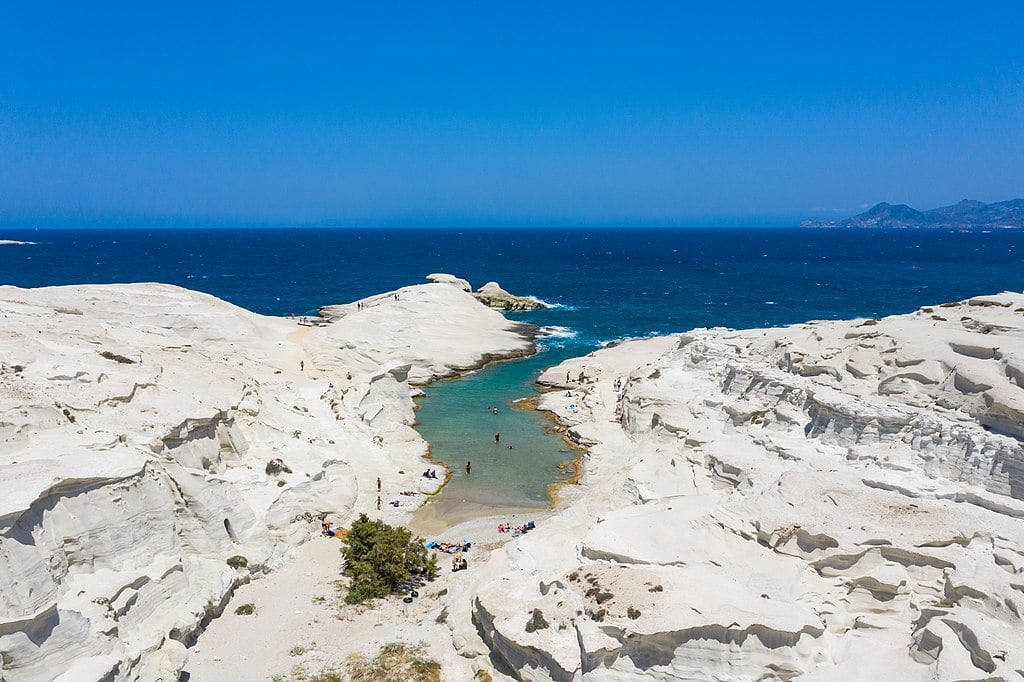
- Sarakiniko: Perhaps the most popular beach of Milos, it is known for its unique lunar landscape. The beach is characterized by its white volcanic rock formations and crystal-clear turquoise waters, creating a surreal and picturesque setting.
- Firiplaka: Located on the southern coast of the island, this is a beautiful sandy beach with striking rock formations and azure waters. It offers a relaxing atmosphere and is ideal for swimming and sunbathing.
- Tsigrado: A secluded beach accessible by descending a narrow and steep path between cliffs, it features soft golden sand, crystal-clear waters, and a natural tunnel that adds to its charm. It’s a bit more adventurous to reach but definitely worth the effort.
- Paleochori: A popular beach known for its unique geological features and hot springs, this beach has both sandy and pebbly sections, and the warm waters result in a natural spa experience. It offers a range of amenities, including beach bars, tavernas and water sports facilities, making it a popular choice for those seeking a more lively beach experience.
- Plathiena: A beautiful sandy beach located on the northeastern coast of Milos, it offers crystal-clear waters, a tranquil atmosphere, and a scenic surrounding landscape.
- Kleftiko: Although not technically a beach, it is a must-visit location on Milos. This is a cluster of stunning rock formations that emerge from the sea, creating small coves and caves. You can take a boat tour to explore the area, swim in the crystal-clear waters, and marvel at the unique beauty of Kleftiko.
- Agios Ioannis: A beach located on the northwestern coast of the island, this is known for its golden sand, turquoise waters, and distinctive backdrop, featuring the striking church of Agios Ioannis Siderianos built into the cliffs.
- Firopotamos: This is a charming beach with a small fishing village atmosphere. It features colorful fishing boats, traditional houses, and calm waters, making it an ideal spot for relaxation.
Volcanic landscapes and archaeological sites on Milos
The island of Milos in Greece is volcanic in origin, a geological past that has shaped an extraordinary landscape unlike any other in the Cyclades. Impressive volcanic craters, ancient lava formations, and mineral-rich soil define the terrain, giving the island its distinctive character and dramatic natural beauty.
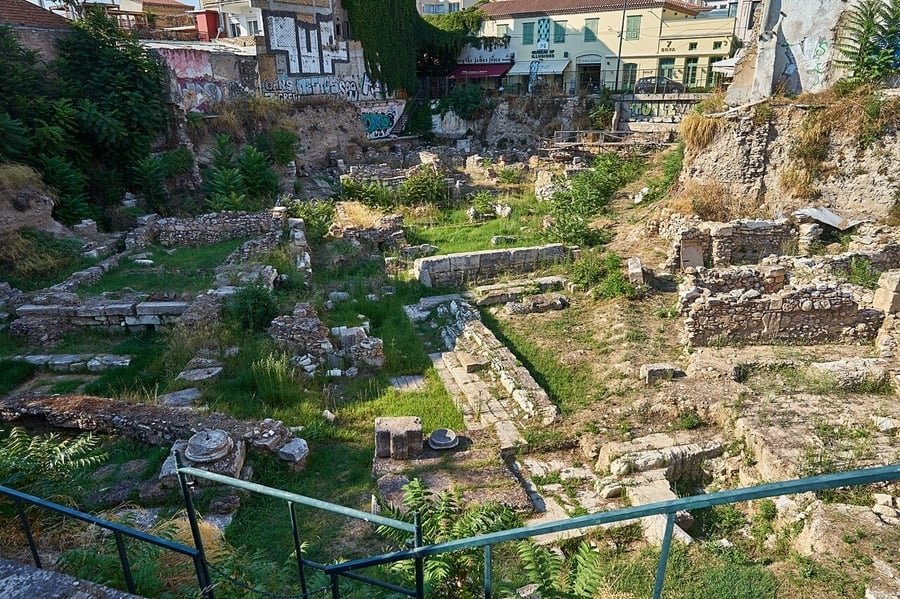
This unique environment also frames the island’s long human history, and across the island of Milos, Greece offers several significant archaeological sites. Visitors can explore the ancient city of Klima, the Roman Theater in Tripiti, and the Catacombs of Milos, where underground burial chambers allow insight into early burial practices and community life.
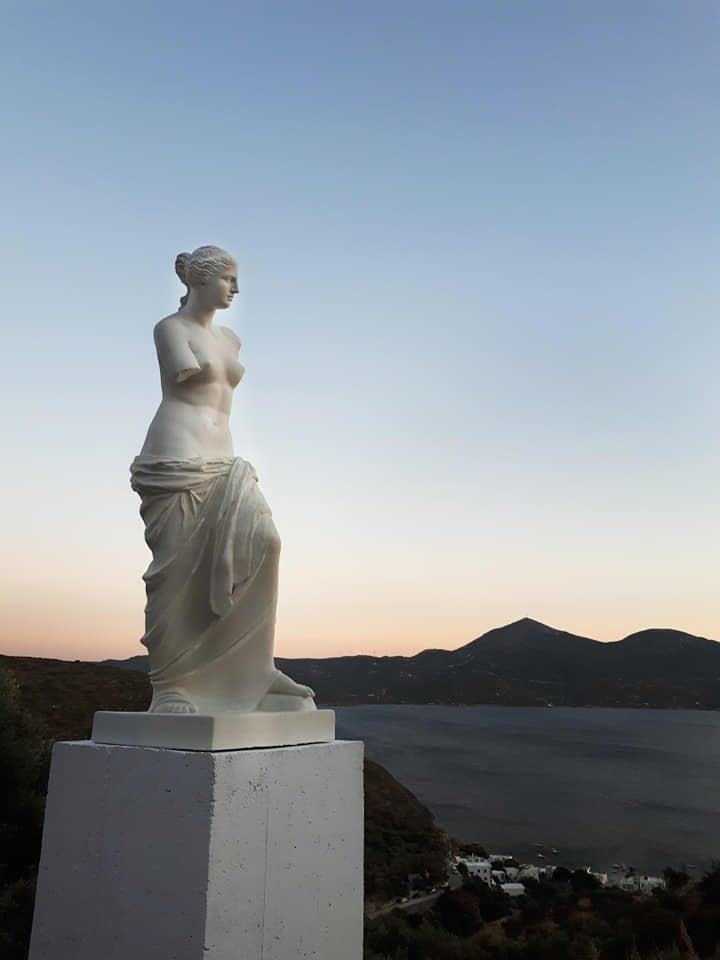
One of the most important cultural associations of Milos is the ancient statue of Aphrodite, internationally known as the Venus de Milo. Dating back to the 2nd century BC, the statue is regarded as one of the most significant works of ancient Greek art and is currently housed at the Louvre Museum in Paris. A faithful copy of the sculpture was unveiled recently on Greece’s Milos and placed at the archaeological site near the same location where the original statue was discovered over 200 years ago.
Fishing villages, maritime life, and cultural heritage
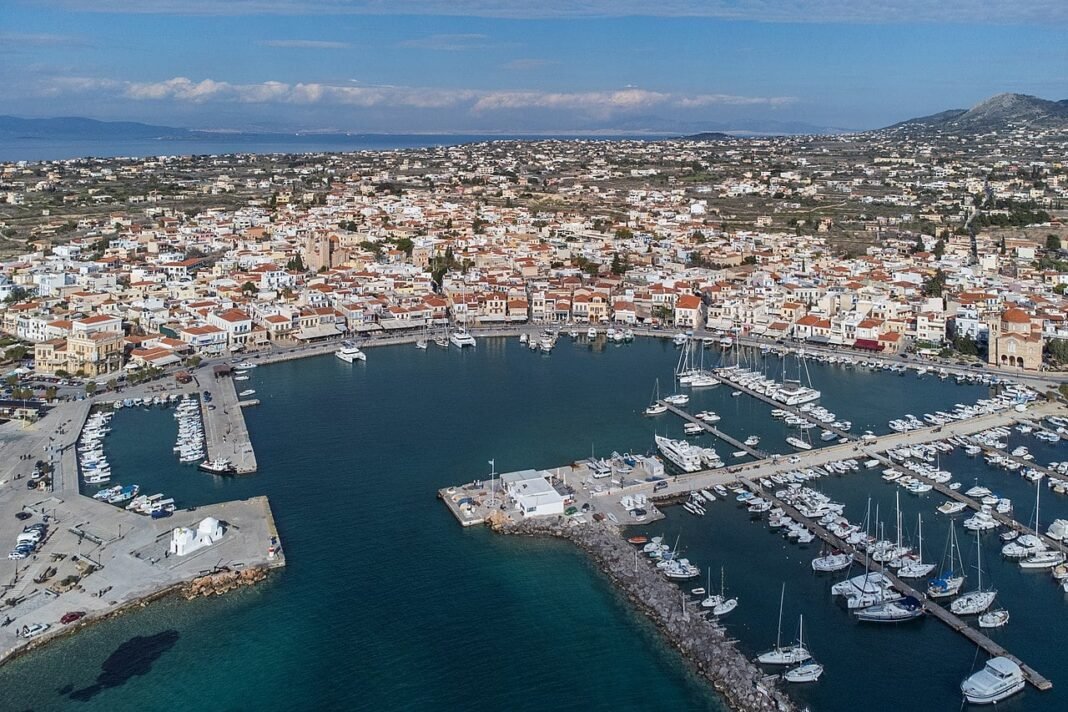
Traditional Greek island life is especially vivid in the fishing villages of Milos, where colorful houses, picturesque harbors, and seaside tavernas serving fresh seafood create a timeless atmosphere. Plaka, the capital of the island, Adamanta—one of the largest natural harbors in the Mediterranean—Pollonia, Achivadolimni, and Emporio, with its small lagoon and historic iron mines, are among the villages that showcase the diversity and charm of Milos within Greece.
The island is also a prime destination for sailing and boat tours, offering access to hidden coves, sea caves, and remote beaches that cannot be reached by land. Visitors who rent a boat or join an organized tour often explore iconic locations such as Kleftiko, which is renowned for its dramatic rock formations and clear turquoise waters.
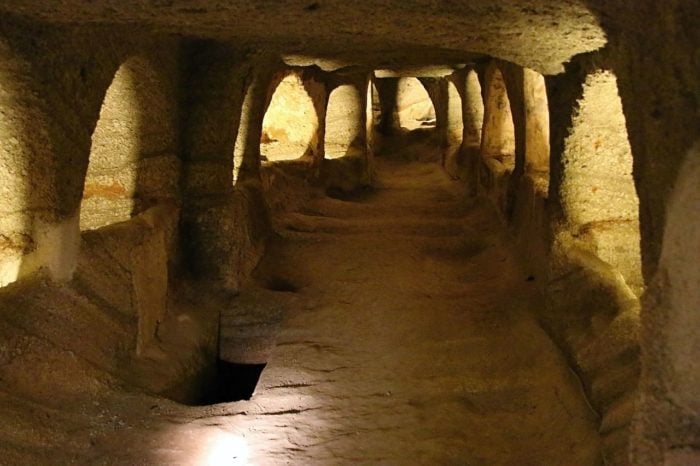
Milos’ industrial and geological history is preserved at the Milos Mining Museum, where visitors can learn about the importance of minerals such as obsidian and sulfur, as well as the impact these resources had on the island’s development and ancient civilizations. The Catacombs of Milos, dating back to the first century AD, further highlight the island’s historical depth and are the largest early Christian catacombs in Greece.
Cycladic architecture remains a defining feature of the island, characterized by whitewashed buildings, narrow streets, and blue-domed churches that can be admired throughout villages such as Plaka and Pollonia. Culinary traditions complete the experience, as visitors indulge in authentic Greek cuisine, with Milos renowned for its seafood, traditional dishes such as moussaka and souvlaki, and local specialties including the cheese pie known as pitarakia.