

Cities around the world are drawing renewed attention for pedestrian-friendly design, and a recent review identifies some of the most walkable cities the world has to offer. Researchers say these destinations combine compact historic districts, well-planned public spaces, and streets built to favor people instead of traffic.
Many also rank high in global walkability surveys, supported by strong public transit and car-light zones that make exploring on foot effortless.
In these places, a simple stroll often feels like sightseeing. Narrow lanes, waterfront paths, and tree-lined parks link major landmarks within minutes, allowing visitors to move from cafés to viewpoints without relying on taxis. Planners say this mix of beauty, accessibility, and thoughtful design is helping set the standard for walkable cities worldwide.
Florence, Italy

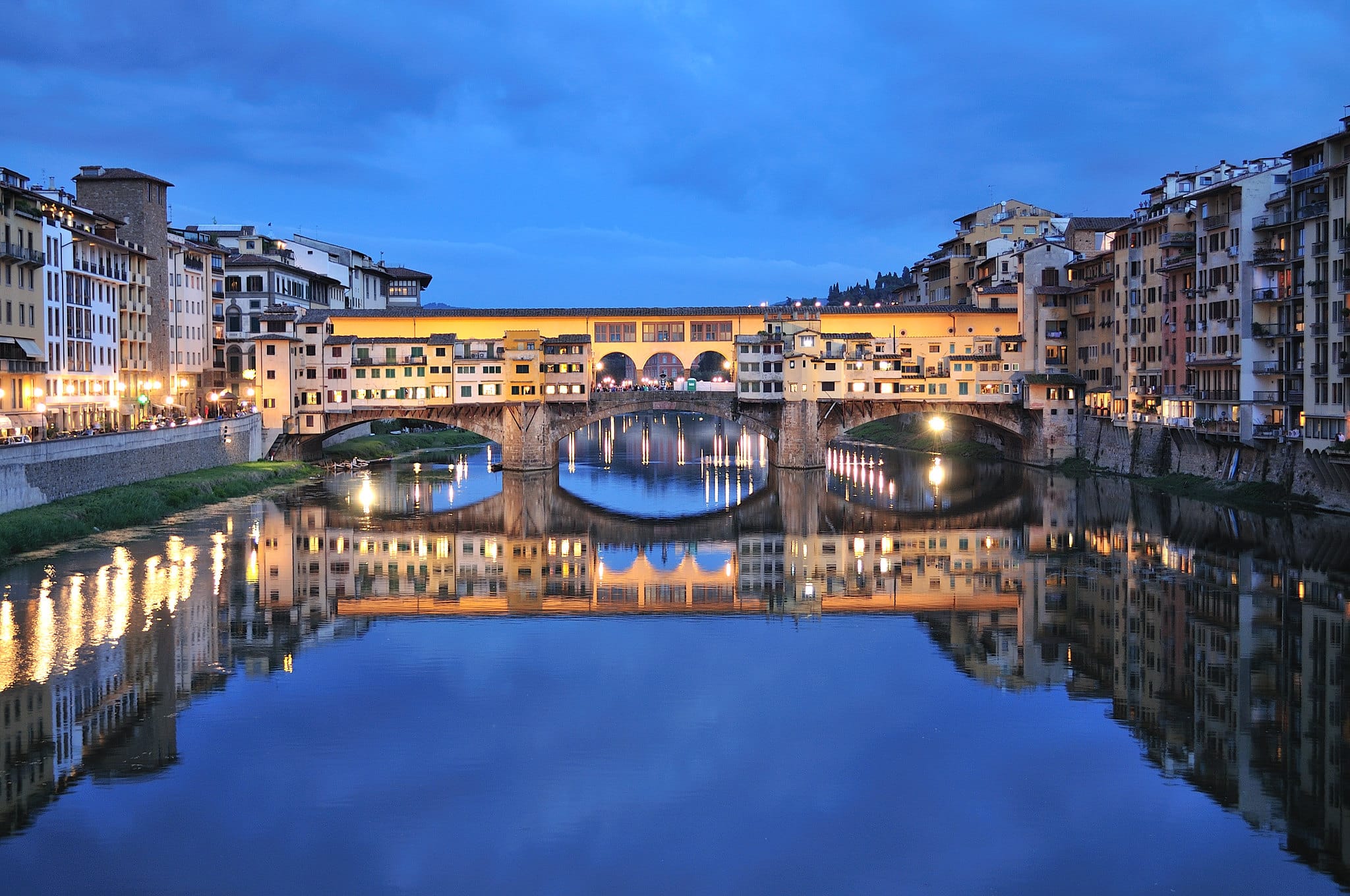
Florence remains one of Europe’s finest cities for exploring on foot. The historic core links the Duomo, Piazza della Signoria, Ponte Vecchio, and Santa Croce through narrow stone lanes. Early-morning walks reveal the city at its quietest, while sunset climbs to Piazzale Michelangelo or San Miniato offer sweeping views of the Arno. Hidden gardens and riverfront lawns provide peaceful escapes from the crowds.
Riga, Latvia

Riga’s Old Town blends medieval alleys, Art Nouveau façades, and leafy parks in a compact, easy-to-navigate area. A favorite route leads from Alberta Street’s ornate buildings through Kronvalda and Bastejkalna parks into Vecrīga. Squares such as Dome Square and Līvu Square act as social hubs, filled with cafés, music, and soft evening light.
Hamburg, Germany
Hamburg stretches across rivers and lakes, yet its promenades and linked neighborhoods create a surprisingly walkable city. The Elbe Promenade passes the Landungsbrücken piers and the Elbphilharmonie, while routes between Blankenese and Wittenbergen follow sandy riverbanks with passing container ships. The contrast between calm lakes, modern architecture, and old warehouses keeps walks varied.
Porto, Portugal

Porto rewards those willing to climb its steep lanes. Walkers drift along the Ribeira waterfront, cross the upper deck of the Dom Luís I Bridge, and settle into Jardim do Morro for sunset over the Douro. Short climbs connect viewpoints, gardens, and wine-cellar promenades that encourage slow exploration.
Madrid, Spain

Madrid’s broad boulevards, lively plazas, and close-knit neighborhoods make the city ideal for long, relaxed strolls. Popular routes link Puerta del Sol, Plaza Mayo, and the Royal Palace. Later, many wander into La Latina for tapas or into Malasaña for bars, boutiques, and street life that runs late into the night.
Edinburgh, UK

Edinburgh compresses dramatic landscapes and centuries of architecture into a walkable center. Routes often begin in Princes Street Gardens, climb toward the Castle, and descend into the Grassmarket and the Meadows. Arthur’s Seat offers a wider view of the city and the North Sea.
Tallinn, Estonia

Tallinn’s Old Town feels built for wandering. The car-light district links merchant houses, church towers, and viewpoints within minutes. Walkers often trace the city walls, climb Toompea Hill, and end their route near the waterfront.
Stockholm, Sweden

Stockholm turns its island setting into a gift for pedestrians. Gamla Stan’s medieval lanes lead to waterfront paths around Skeppsholmen and Djurgården, where museums and gardens line the quays. Clean air and abundant parks make simple errands feel scenic.
Sydney, Australia

Sydney offers ocean views, harbor breezes, and neighborhoods that come alive on foot. The Bondi-to-Coogee coastal trail remains the city’s signature walk, while Circular Quay and Barangaroo provide calmer waterfront routes.
Boston, USA

Boston’s compact historic core, brick-lined streets, and short distances between landmarks make it one of America’s most walkable cities. The Freedom Trail remains the defining route, joined by paths through Boston Common, Back Bay, and the Charles River Esplanade.
Together, these ten cities show how thoughtful planning and human-scale design can shape daily life. Researchers say their success offers a model for places looking to improve walkability without major redevelopment.


